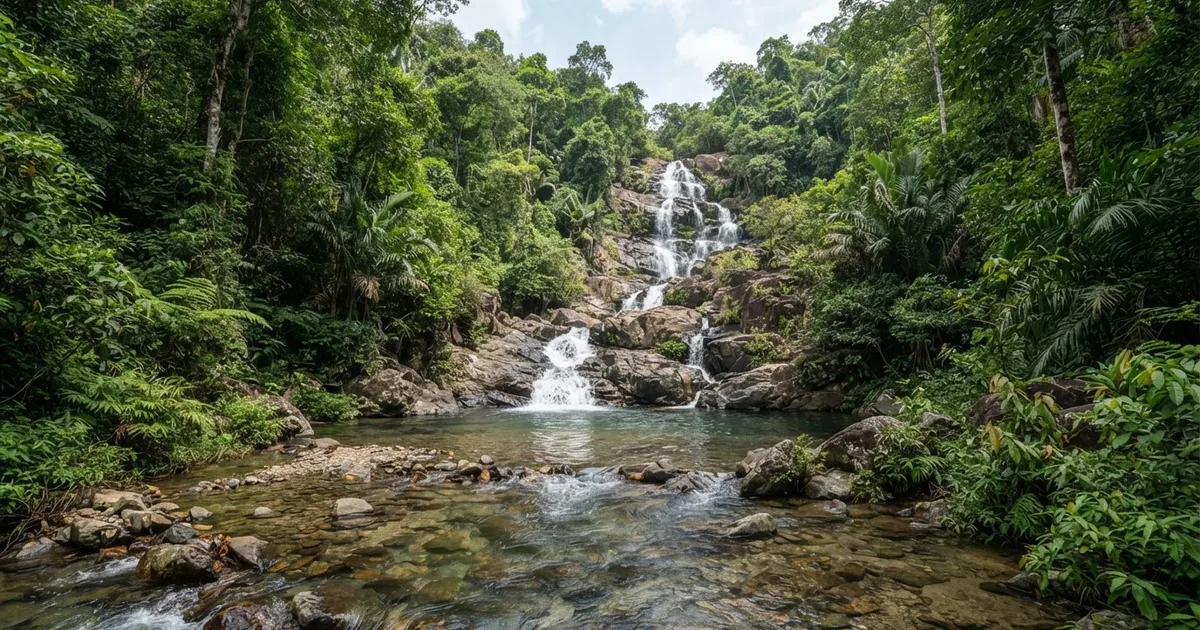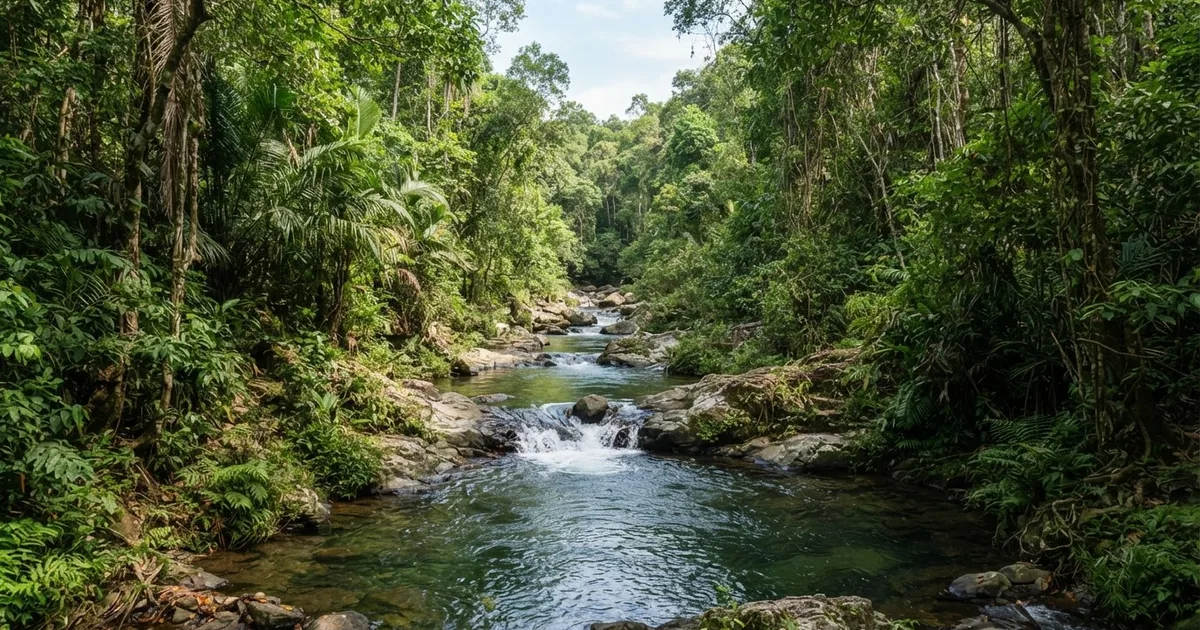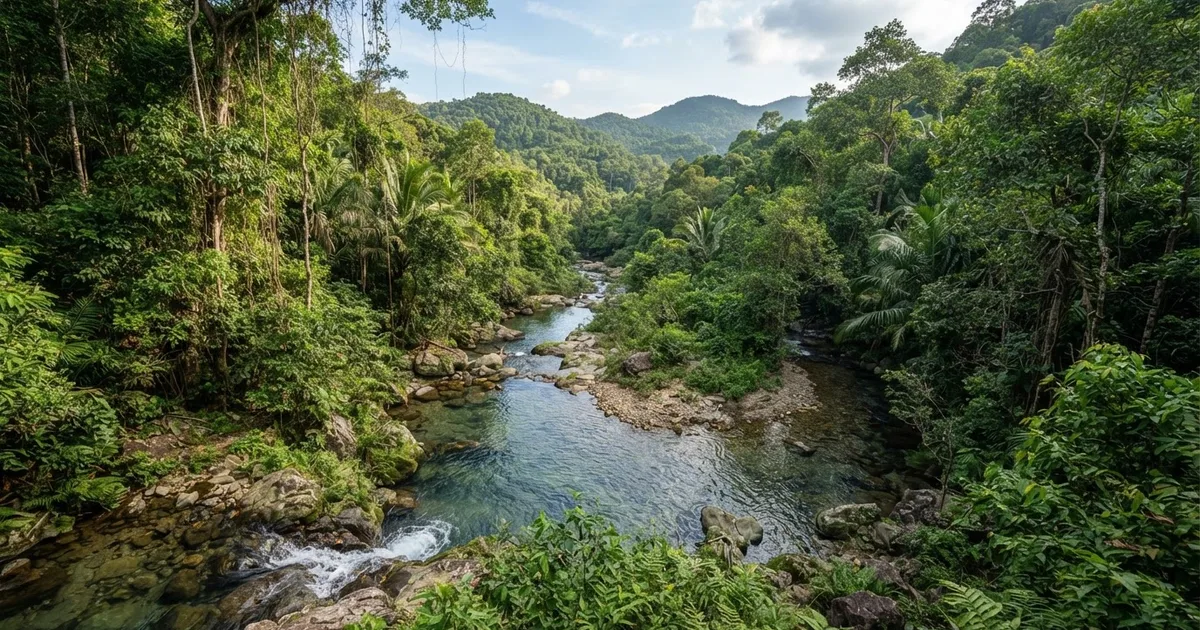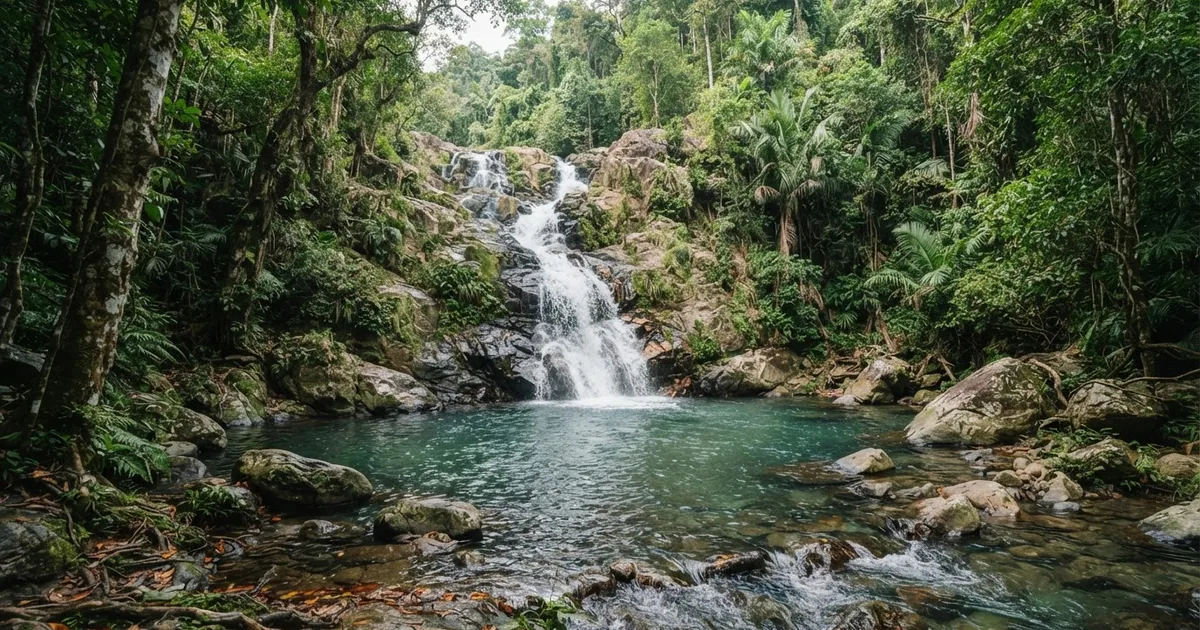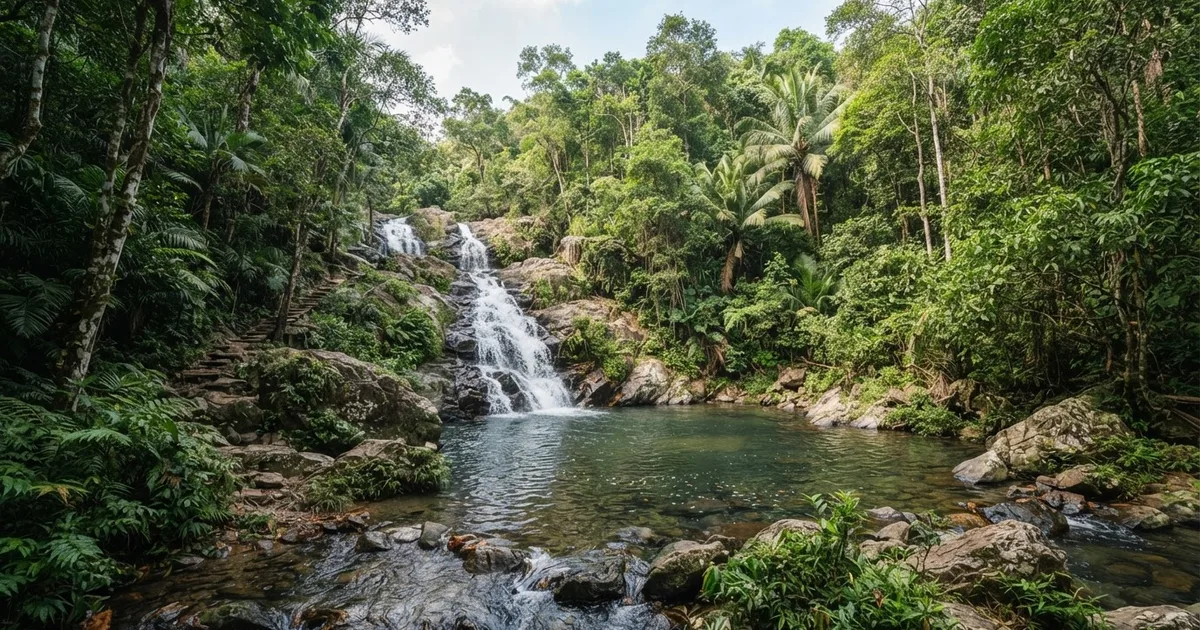
Thay Tu Waterfall is worth visiting if you enjoy a forest trek and a quiet natural setting, but it is not Phu Quoc's most dramatic waterfall. The waterfall is approximately five metres high, and the experience depends heavily on recent rainfall and trail conditions. For a balance of water flow and safer access, plan a visit from September to February, or choose the drier months from November to April if trail safety is your priority.
Is Thay Tu Waterfall worth visiting?
Yes, provided you treat Thay Tu as a nature walk rather than a major sightseeing landmark. At approximately five metres high, the waterfall is modest in scale. Its appeal comes from the surrounding forest, the chance to spend time away from busy coastal attractions, and the changing character of the stream after rain.
The visit suits travellers who enjoy uneven paths, natural scenery, photography, and a few quiet hours outdoors. The trail is not generally considered overly complicated, but the distance can make the outing more tiring than the waterfall itself suggests. Allow extra time rather than planning a rushed stop between other attractions.
Thay Tu is a poor fit if your main goal is a powerful cascade, polished facilities, or an effortless viewpoint beside the road. Tranh Stream is generally considered more attractive and more impressive, while Thay Tu is better understood as a low-key trekking destination. The waterfall may also be disappointing during a particularly dry spell, when the flow becomes weak.
Visit if you want
A forest trek, natural surroundings, a quieter atmosphere, and the possibility of seeing a fuller cascade after recent rain.
Choose another stop if you want
A tall waterfall, guaranteed strong flow, an easy paved approach, or a highly developed visitor site.
What is the walk to Thay Tu Waterfall like?
The approach should be treated as a proper outdoor walk. Although the route is not considered technically difficult, visitors need to be prepared for distance, uneven ground, exposed roots, rocks, and changing conditions. The final section may be damp after rain, and rocks beside the water can become slippery.
Wear shoes with a firm sole and good grip rather than flip-flops. Bring drinking water, insect repellent, sun protection, and a small dry bag for a phone or camera. A light snack is useful because there may not be a reliable shop at the waterfall. If you plan to enter the stream, carry a change of clothes and protect valuables from splashes.
Start early when possible. Morning temperatures are more comfortable, the forest is usually quieter, and you have more daylight if the walk takes longer than expected. Do not begin a remote trail during a storm or continue close to the water if rainfall is becoming heavy upstream. Water levels can rise quickly even when rain at your location seems moderate.
Practical packing checklist
- Walking shoes with non-slip soles
- At least one bottle of drinking water per person
- Insect repellent and sunscreen
- Waterproof protection for phones and documents
- A small towel and spare clothes if swimming
- Cash for transport, parking, or local assistance
When is the best time to visit Thay Tu Waterfall?
There is no single perfect month because the two things visitors want most are not always found together: a full waterfall and a dry, secure trail. Wetter months can produce better flow and greener forest, while the dry season usually makes walking, resting, and rock-hopping easier.
| Period | Likely conditions | Best for | Main caution |
|---|---|---|---|
| September to October | A transition period with improving weather and water left from the rainy season. | Travellers seeking a balance between scenery and access. | Conditions can change quickly after rain. |
| November to February | Generally more comfortable and increasingly dry, while water flow may still be worthwhile. | Most first-time visitors and outdoor walks. | Flow varies according to recent rainfall. |
| March to April | Usually drier, with a more accessible trail but a greater chance of reduced stream flow. | Families and visitors prioritising safer footing. | The waterfall may be less powerful. |
| May to August | Rain can make the forest lush and the cascade fuller. | Experienced hikers who want wet-season scenery. | Downpours can reduce visibility and make rocks slippery. |
For most visitors, September to February is the most practical compromise. If the forecast shows heavy rain, postpone the walk even if it is within the recommended season. A visit after moderate recent rain may provide a better waterfall without the dangerous conditions created by a storm.
How does Thay Tu compare with other Phu Quoc waterfalls?
Thay Tu is best chosen for the journey and setting rather than the height of the cascade. Its approximately five-metre fall is small, so expectations matter. The surrounding forest and quieter atmosphere can make it enjoyable, especially for travellers who have already seen the island's busier attractions.
Da Ban Waterfall is another quiet natural option. Da Ban Stream is approximately six kilometres northeast of Duong Dong Town, or about 10 minutes north of town according to local travel descriptions. Some guides report free entrance, while parking commonly costs about 5,000 to 10,000 Vietnamese dong. The site is suited to picnics, swimming, and relaxing beside the stream, and it is known for a wooden suspension bridge and relatively few tourists.
Da Ban also has seasonal limitations. Its approach can include a muddy, pothole-filled dirt road, and the stream may become a trickle in the driest months. Recommendations vary: wetter months from May to November often bring greener scenery and fuller flow, while November to April is generally easier and safer for access and rock-hopping. Tranh Stream is the stronger choice for travellers seeking a more visually impressive waterfall.
| Waterfall | Best reason to go | Less suited to |
|---|---|---|
| Thay Tu | A forest trek and quiet natural surroundings. | Visitors expecting a tall, powerful cascade. |
| Da Ban | Picnicking, swimming, a wooden bridge, and relaxing by the stream. | Travellers who dislike rough approach roads or seasonal water levels. |
| Tranh Stream | A more attractive and developed waterfall experience. | Visitors specifically seeking a remote, low-key trail. |
How to plan a safe visit
Check the weather before leaving and ask a local accommodation provider or rental company about recent rainfall. A map pin alone cannot tell you whether the final path is muddy, flooded, or difficult to identify. If you are riding a motorbike, inspect the approach before committing to a rough section and avoid parking where water may collect.
Stay on established paths and keep a safe distance from the top of the fall. Never jump from rocks or stand beneath a cascade during heavy rain. Do not rely on mobile reception for navigation or emergencies. Travel with at least one other person if possible, and tell someone your intended return time.
Swimming should be treated cautiously. Natural pools may contain submerged rocks, branches, or strong currents after rain. Children should remain within arm's reach of an adult near wet rocks, and everyone should leave the water immediately if the stream becomes cloudy or rises quickly.
Local planning tip
Before setting out, ask about rainfall during the previous 24 to 48 hours. Recent moderate rain may improve the view, but intense rain can make the trail unsafe and the water unexpectedly fast.
Suggested itinerary for a Thay Tu visit
Set aside at least half a day rather than trying to combine the waterfall with several distant attractions. Leave in the morning, travel slowly on the approach, and allow time for rest, photographs, and the return walk. The forest can feel cooler than the exposed roads, but humidity and uneven terrain still make water breaks important.
After the waterfall, you can continue to another nature stop only if the weather remains stable and you have enough daylight. A relaxed day is safer and more enjoyable than treating Thay Tu as a quick photo stop. If the site is dry or the trail is too slippery, change plans and visit a more accessible attraction instead.
Travellers without experience on local roads can arrange directions, transport advice, or a suitable motorbike through a local rental and concierge service. Sabrina can help you check practical conditions before you leave.
Frequently Asked Questions
How high is Thay Tu Waterfall?
Thay Tu Waterfall is described as approximately five metres high. It is therefore a small waterfall rather than a major vertical attraction. The surrounding forest trek and seasonal water flow are more important to the experience than the height of the cascade.
What is the best month to visit Thay Tu Waterfall?
September to February is a practical overall window because the waterfall may retain good flow while weather and trail conditions are often manageable. November to April is usually safer and drier, but the stream can be weaker late in the dry season. Check recent rainfall before travelling.
Can I visit Thay Tu Waterfall during the rainy season?
Yes, but heavy rain can reduce visibility and make rocks and paths slippery. Visit only when the weather is stable, avoid the trail during a storm, and do not approach the water if the level is rising quickly. Moderate recent rain can improve the waterfall, while intense rain creates safety risks.
Is Thay Tu Waterfall suitable for children?
It can suit active families during a dry, stable period, but the distance and uneven trail require preparation. Children need proper footwear and close supervision around rocks and water. November to April is generally the more comfortable period for family exploration because the trail is often drier.
Is Thay Tu Waterfall free to enter?
There is no consistently published official entrance price for Thay Tu Waterfall, and local access arrangements may change. Carry small cash for possible parking or local assistance rather than assuming every cost is included. Ask locally about the current road and access conditions before setting out.
Is Thay Tu better than Da Ban Waterfall?
They suit different visits. Choose Thay Tu for a forest trek and quieter atmosphere. Choose Da Ban, about six kilometres northeast of Duong Dong Town, for picnicking, swimming, a wooden suspension bridge, and relaxing by the stream. Da Ban is also small and can have muddy access roads or low water.
What should I bring to Thay Tu Waterfall?
Bring grippy walking shoes, drinking water, insect repellent, sun protection, a dry bag, snacks, and spare clothes if you may swim. A phone should not be your only safety plan because reception and trail conditions can vary. Carry small cash and tell someone where you are going.
Contact Sabrina for local directions, transport advice, motorbike rental, or help planning a safe Phu Quoc waterfall day.
Contact Sabrina