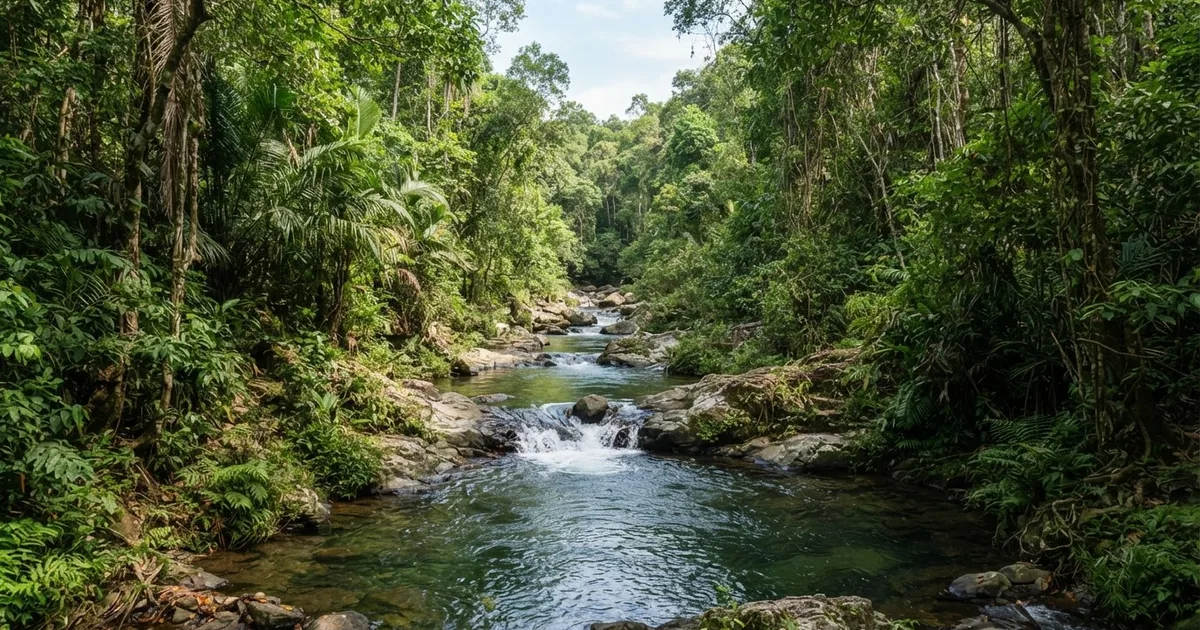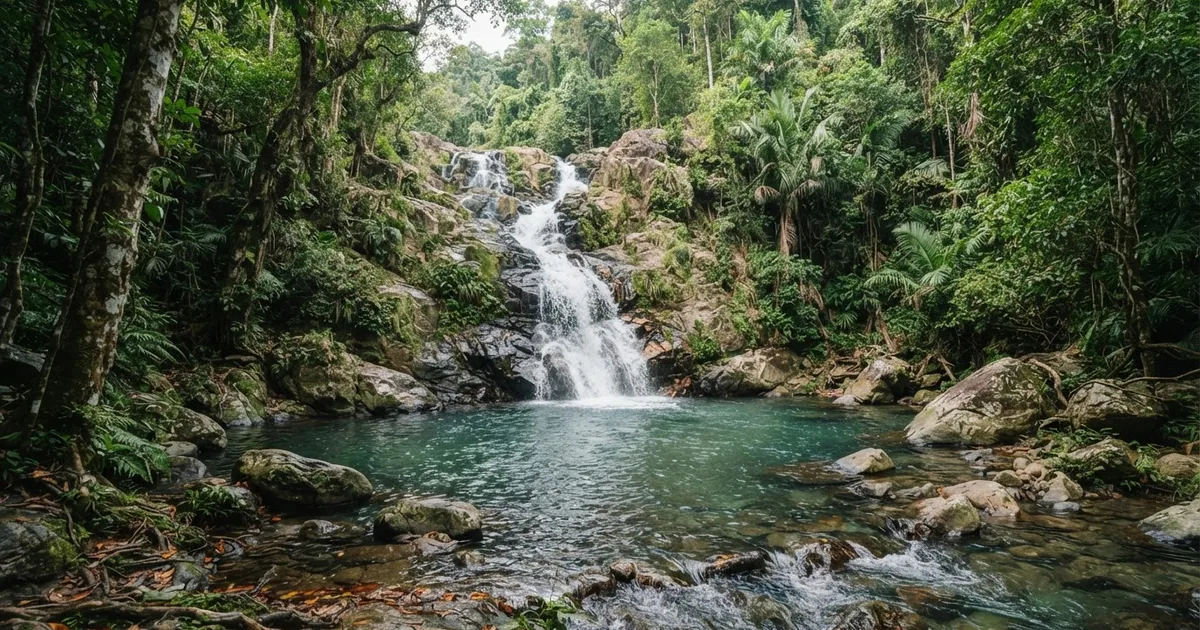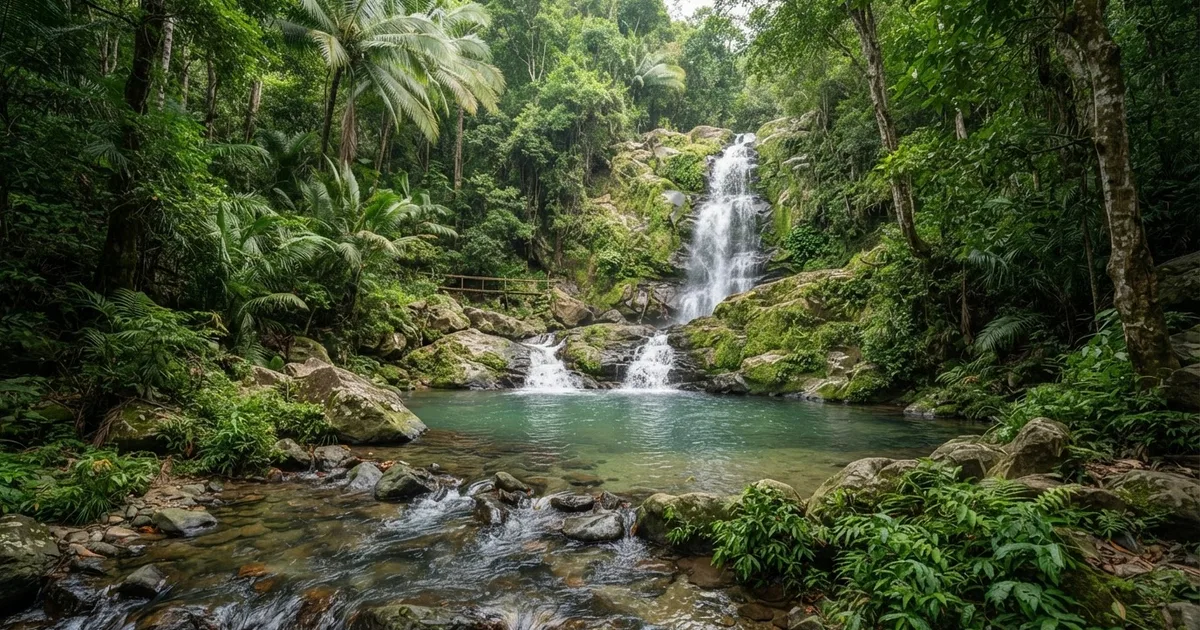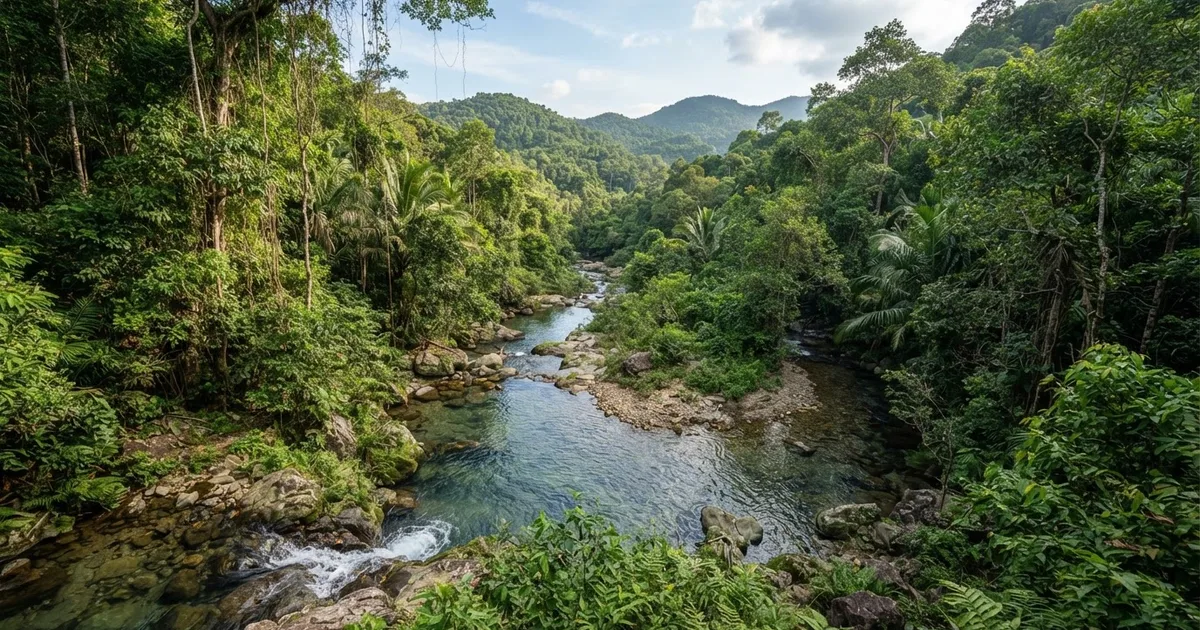
Suoi Lon may be worth visiting if you enjoy quiet forest scenery, shallow streams, and flexible outdoor trips, but it is not the safest choice for travelers expecting a large, powerful waterfall. No verified source currently confirms a specific entrance fee or hiking difficulty for Suoi Lon, and water levels can change considerably with rainfall. For the best general island weather, visit between November and April; for a better chance of fuller stream flow, consider the wetter months from May to September.
Is Suoi Lon worth visiting?
The honest answer is that Suoi Lon is worth visiting only if your expectations match the character of the place. It is best viewed as a potentially peaceful forest and stream excursion, not as a fully developed attraction with guaranteed facilities, a published ticket price, or a consistently impressive waterfall. Travelers who enjoy exploring quieter parts of Phu Quoc may appreciate the stop, especially when it forms part of a wider motorbike itinerary.
Suoi Lon is a better fit for independent visitors, photographers, and people who enjoy natural surroundings more than sightseeing checklists. It may provide a pleasant change from the island's beaches, resorts, and busy tourist areas. The experience can be especially rewarding after recent rain, when streams are more likely to be flowing and the vegetation looks greener.
However, it is a poor fit for anyone who wants a large waterfall, a clearly marked walking trail, guaranteed swimming conditions, or extensive visitor facilities. Available information does not provide a verified entry fee or an official difficulty rating for accessing Suoi Lon. Conditions may therefore depend on the season, recent weather, local maintenance, and the precise route used on the day.
Good fit
Independent travelers, nature lovers, photographers, and visitors happy with a quiet stream stop rather than a major attraction.
Poor fit
Travelers with limited mobility, families needing predictable facilities, and visitors seeking a dramatic waterfall or a confirmed ticket price.
The most practical verdict is to keep Suoi Lon as a flexible option. If local advice says the approach is open and recent rain has improved the water flow, it can be a worthwhile addition. If the weather is very dry or access sounds difficult, choose a more established waterfall or spend the day at a beach, viewpoint, or boat-tour departure area instead.
When is the best time to visit Suoi Lon?
Phu Quoc's main dry season runs from November to April. This is generally the best period for island travel because sunny weather, calmer seas, beaches, snorkeling, and outdoor activities are more reliable. It is also the easiest season for combining a stream visit with a long motorbike ride, although dry conditions may reduce the flow in smaller waterways.
December to February is the narrowest peak-weather window. Conditions are often the most dependable for exploring, but these months can also bring more visitors and higher accommodation prices. If you want a balance between weather and crowd levels, November and March are useful shoulder-season choices. They may offer dry-season conditions with less pressure than the busiest winter period.
For visitors whose main priority is flowing water, the wetter months from May to September may be more attractive. Comparable waterfall guides on Phu Quoc commonly recommend this period because rain can replenish streams and create greener scenery. The wider rainy season can provide better water levels, but heavy showers may make dirt roads muddy and rocks slippery.
| Travel period | Most suitable for | Main limitation |
|---|---|---|
| November to April | Sunny exploration, beaches, outdoor activities, and easier road conditions | Smaller streams may have less water, particularly after a long dry spell |
| December to February | The most reliable general weather | Crowds and accommodation prices are usually highest |
| March and November | A shoulder-season balance between weather and visitor numbers | Conditions can be less predictable than in mid-winter |
| May to September | Greener scenery and a better chance of fuller streams | Rain can make approaches muddy and rocks slippery |
There is no single perfect month for both road access and water flow. November to April is usually safer and more convenient for general exploring, while May to September may offer a more attractive stream. Check the weather on the morning of your trip and ask a local accommodation host or rental provider whether the approach is currently passable.
What should you expect at Suoi Lon?
Suoi Lon should be approached as a natural site with variable conditions rather than as a polished tourist park. Do not assume that a map marker means there will be a staffed entrance, toilets, food stalls, changing rooms, railings, or a maintained path all the way to the water. The lack of a verified official fee and difficulty rating makes it particularly important to confirm current details before travelling.
The access experience may change after rain. Unpaved surfaces can develop mud, potholes, and ruts, while rocks beside a stream can become very slippery. In dry weather, the approach may be easier but the stream itself may be less impressive. A motorbike is useful for reaching many rural parts of Phu Quoc, but riders should avoid treating a rough final section as a race or continuing beyond a point that feels unsafe.
Practical items to bring
- Small cash notes, because no verified Suoi Lon entrance fee is published and local parking or access arrangements can vary.
- Closed footwear with grip rather than smooth beach sandals.
- Water, sun protection, and insect repellent for a stop away from busy commercial areas.
- A dry bag or waterproof phone pouch during the rainy season.
- A light change of clothes if you plan to sit beside the stream or enter the water.
- A fully charged phone, offline map, and enough fuel for the return journey.
Swimming should never be assumed to be safe. Depth, current strength, submerged rocks, and water quality can change after rainfall. Inspect the area first, stay out of fast-moving water, and follow local advice. Do not climb wet rocks for photographs, and avoid visiting alone if you are unfamiliar with rural routes or stream terrain.
Allow more time than the map distance may suggest. A short-looking route can take longer when the final approach is uneven or when you stop to check conditions. Start in daylight, keep the return journey in mind, and leave before heavy afternoon rain if the forecast is unstable. There may be limited mobile coverage in more remote areas, so tell someone your approximate route.
How does Suoi Lon compare with other Phu Quoc waterfalls?
Suoi Lon is not necessarily the best waterfall choice for every traveler. Phu Quoc has several nature stops with different strengths, and selecting the right one depends on whether you want easy access, a picnic setting, swimming, fuller water, or the most attractive waterfall views. A comparison can prevent disappointment, especially during the dry season.
| Place | Best for | What to know |
|---|---|---|
| Suoi Lon | Quiet exploration and a flexible nature stop | Fee, access difficulty, and seasonal water conditions are not reliably verified |
| Da Ban Waterfall | Picnics, relaxing in nature, swimming, and a quieter atmosphere | The waterfall is small; some guides report free entry and parking of about 5,000 to 10,000 Vietnamese dong |
| Suoi Tranh | A more recognizable waterfall experience and established visitor stop | Often considered more scenic than the small Da Ban waterfall, but conditions still vary by season |
Da Ban is about 10 minutes north of Duong Dong Town and approximately 6 kilometers northeast of the town. Travel guides describe it as a quieter natural stop with a wooden suspension bridge and relatively few tourists. It is generally better for a picnic, swimming, and relaxing beside the stream than for seeing a large waterfall. The approach has been described as a muddy, pothole-filled dirt road near the parking area, so road conditions still matter.
Information about the best season for Da Ban is inconsistent because different priorities produce different recommendations. May to November can bring fuller water and greener scenery, while November to April is often preferred for drier weather and easier access. Some guides report free entry and parking of around 5,000 to 10,000 Vietnamese dong, but these details should be confirmed locally rather than assumed for Suoi Lon.
Choose Suoi Lon when the journey and quiet surroundings are part of the appeal. Choose Da Ban when you want a known picnic and swimming environment close to Duong Dong. Choose Suoi Tranh when a more conventional waterfall stop is more important than finding a less predictable rural site. None of these options is ideal if you require completely level access or guaranteed facilities.
How can you plan a Suoi Lon day trip?
Start by checking recent weather and asking for current local access information. Because no verified Suoi Lon fee or official difficulty level is available, a local update is more useful than relying only on an old map listing. Ask whether the road is open, whether the stream is flowing, and whether motorbikes can reach the usual parking or stopping area.
Set out early enough to complete the visit in daylight. The dry season is better for combining Suoi Lon with beaches and other outdoor stops, while the rainy season calls for a shorter route and more flexibility. If clouds build or the road becomes slippery, turn back rather than treating the waterfall as a must-do attraction.
Planning tip
Build a backup into the itinerary. If Suoi Lon is dry or inaccessible, switch to Da Ban for a nature and picnic stop, or continue to a beach or another established attraction. This is more practical than crossing the island solely for a waterfall whose seasonal conditions are uncertain.
Motorbike travelers should wear a helmet, carry a charged phone, and avoid carrying valuables in an exposed bag. Keep fuel above the minimum needed for the route because rural stretches may not have an immediately convenient petrol station. If you are not confident riding on loose gravel, mud, or steep uneven surfaces, arrange local transport or choose an easier-access attraction.
Pack out all rubbish and avoid using soap or sunscreen directly in the stream. Do not remove rocks, plants, or other natural materials. A quiet site remains enjoyable only when visitors protect the water and surrounding forest. Keep music low, give other visitors space, and leave before darkness rather than relying on an unlit route.
Who should visit Suoi Lon, and who should skip it?
Suoi Lon can suit travelers who have already enjoyed Phu Quoc's main beaches and want a different type of landscape. It is also suitable for people who like photographing vegetation, exploring at an unhurried pace, and accepting that a natural site may look different from one week to the next. The best experience comes from treating the stop as part of the journey, not measuring it only by the size of the waterfall.
It is less suited to visitors with limited mobility if the final approach includes uneven ground, mud, rocks, or stream crossings. It is also a poor choice for families who need reliable toilets, food, railings, and clear safety infrastructure. Anyone travelling on a strict schedule should avoid making Suoi Lon the day's only planned activity because access and water conditions are not fully documented.
| Traveler profile | Recommendation | Reason |
|---|---|---|
| Independent motorbike traveler | Good option with a backup plan | Flexible transport makes it easier to leave if the road or water conditions are poor |
| Nature photographer | Potentially worthwhile | Greenery and changing water levels can create a quieter landscape than busy beach areas |
| Family seeking facilities | Consider another attraction | Facilities, fee information, and access difficulty are not reliably confirmed |
| Traveler with limited mobility | Usually a poor fit | Uneven, muddy, or rocky approaches may be difficult |
| Waterfall enthusiast | Choose according to season | Suoi Lon may disappoint if you expect a large waterfall; Suoi Tranh may be a better comparison |
In short, Suoi Lon is worth a try for the right traveler and the right weather, but it should not be presented as a guaranteed highlight for everyone. A flexible itinerary, suitable footwear, a local condition check, and realistic expectations make the visit much more rewarding.
Frequently Asked Questions
Is Suoi Lon worth visiting on Phu Quoc?
Suoi Lon can be worth visiting if you enjoy quiet natural places and do not require a large waterfall or extensive facilities. It is less suitable as a single-purpose excursion because water flow and access conditions can vary. Visit with a backup plan, especially during the dry season, when smaller streams may be much less impressive.
What is the best month to visit Suoi Lon?
November to April is generally the best period for reliable Phu Quoc weather, with December to February offering the most dependable conditions. However, May to September may provide fuller streams and greener scenery after rain. Choose the dry season for easier general travel, or wetter months if water flow is your main priority.
How much is the entrance fee to Suoi Lon?
No verified source currently confirms a specific entrance fee for Suoi Lon. Carry cash in case a local parking or access charge applies, and confirm the current arrangement before entering. Do not assume that prices reported for Da Ban, where some guides mention free entry and 5,000 to 10,000 Vietnamese dong parking, also apply to Suoi Lon.
Is Suoi Lon difficult to reach?
No verified source provides an official difficulty level for reaching Suoi Lon. Conditions may depend on the route, weather, and maintenance. Expect the possibility of uneven or muddy surfaces at a rural nature site, wear shoes with good grip, and ask locally whether the approach is currently suitable for your vehicle and experience.
Can you swim at Suoi Lon?
Do not assume that swimming is always possible or safe. Water depth and current strength can change with rainfall, while rocks may be slippery and submerged obstacles difficult to see. Inspect the water first, follow local advice, stay away from fast-moving sections, and never enter during or immediately after heavy rain.
Is Suoi Lon suitable for children?
It may suit older children who can manage uneven outdoor terrain under close supervision, but it is not the most predictable family attraction. Facilities, access difficulty, and water conditions are not officially verified. Families needing toilets, railings, easy paths, or guaranteed swimming should consider a more established site such as Da Ban or another organized attraction.
How does Suoi Lon compare with Da Ban Waterfall?
Suoi Lon is the more uncertain option because current fee and access information is not verified. Da Ban is a recognized quiet nature stop about 6 kilometers northeast of Duong Dong, or roughly 10 minutes north of town, and is better for picnics and relaxing. Its waterfall is small, but some guides report free entry and low-cost parking.
Should you visit Suoi Lon during the rainy season?
The rainy season can improve stream flow and make the forest greener, particularly from May to September. The trade-off is muddy access, slippery rocks, and sudden heavy rain. Check the forecast, start early, carry waterproof protection, and turn back if the road or stream becomes unsafe. Dry-season travel is generally easier for a mixed island itinerary.
Ask Sabrina Rental for current local advice on routes, road conditions, motorbike hire, and planning a flexible Phu Quoc nature day.
Contact Sabrina Rental