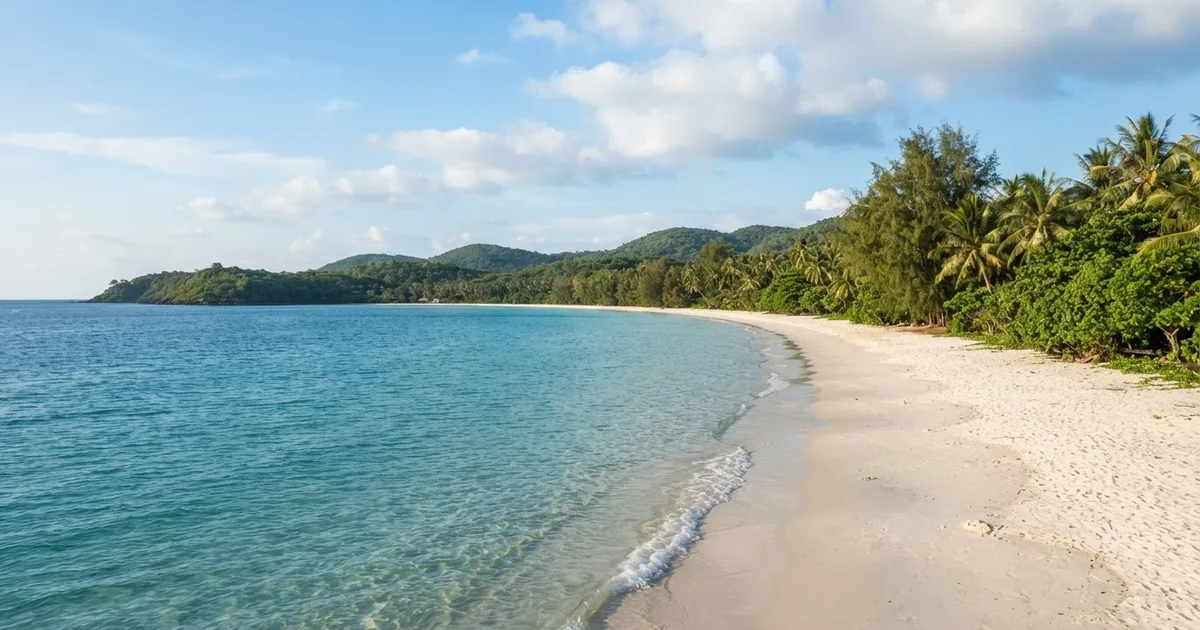
Choose Phu Quoc for the better beaches, resort-style comfort and livelier nightlife; choose Mui Ne if you want a cheaper, windier, sport-focused coastal stay. Phu Quoc's beaches rate ★★★★★ against Mui Ne's ★★★, but Mui Ne undercuts it on price — a 4-star hotel from about 780,000 VND (~$30) a night versus roughly 1,300,000 VND (~$50) in Phu Quoc, and daily budgets from about $10 versus $18.
Phu Quoc vs Mui Ne at a Glance
These two Vietnamese beach destinations sit about 500 km apart and attract completely different travellers. Phu Quoc is a tropical island in the Gulf of Thailand with calm, clear water and a resort-heavy coastline. Mui Ne is a mainland strip of beach near Phan Thiet, famous for its wind, sand dunes and kitesurfing schools.
| Factor | Phu Quoc | Mui Ne |
|---|---|---|
| Best for | Resort-style island stay, beaches, nightlife | Relaxed coastal stay, wind sports, budget travel |
| Beach rating | ★★★★★ | ★★★ |
| Nightlife | 7/10 | Quiet, a few beach bars |
| Typical daily budget | From about $18 | From about $10 |
| 4-star hotel per night | ~1,300,000 VND (~$50) | ~780,000 VND (~$30) |
| Simple lunch | 80,000–120,000 VND | 60,000–100,000 VND |
| Accommodation mix | More luxury resorts | More budget options |
| Water conditions | Calm, swimmable most of the year | Windy, choppy, ideal for kitesurfing |
| Best season | November–April | November–April |
| Getting there | Phu Quoc International Airport (PQC), direct flights from Hanoi, Ho Chi Minh City and some international cities | About 4–5 hours by road from Ho Chi Minh City |
Cost: How Much Cheaper Is Mui Ne?
Mui Ne is the cheaper destination overall, especially for food and accommodation. A simple lunch in Mui Ne costs about 60,000–100,000 VND ($2.40–$4.00), while the same meal in Phu Quoc runs 80,000–120,000 VND ($3.20–$4.80). That gap adds up over a week, but it's not enormous — Phu Quoc is not as expensive as many travellers assume.
The bigger difference shows in accommodation. A 4-star hotel in Mui Ne starts from about 780,000 VND (~$30) per night, compared with roughly 1,300,000 VND (~$50) in Phu Quoc. Mui Ne also has a deeper bench of budget guesthouses and hostels, while Phu Quoc's inventory skews toward mid-range and luxury resorts. For a backpacker-style trip, Mui Ne's daily budget starts around $10 versus about $18 in Phu Quoc.
Tip: If you're travelling as a couple and want a 4-star pool hotel, the nightly difference is about 520,000 VND (~$20) — roughly the cost of two nice dinners in Mui Ne. Factor that in before booking.
Beaches and Water: Phu Quoc Wins on Sand, Mui Ne Wins on Wind
Phu Quoc's beaches are the main reason most people choose it. The island rates ★★★★★ in beach comparisons, with Bai Sao (Sao Beach) on the south-east coast regularly cited as one of Vietnam's best — powdery white sand, calm turquoise water and good swimming for most of the dry season. Other popular stretches include Long Beach (Bai Truong) along the west coast, where most resorts are located, and Ong Lang further north.
Mui Ne's beach is a different animal. It rates ★★★: the sand is golden rather than white, and the water is often choppy because of the steady wind that blows from November to April. That wind is exactly why kitesurfers and windsurfers flock here — Mui Ne is one of Southeast Asia's top kitesurfing destinations, with schools along the main strip. The famous red and white sand dunes nearby are a separate attraction, not a swimming beach.
Who this suits poorly: If you want calm, clear water for swimming and snorkelling, Mui Ne will disappoint for much of the year — the wind that makes it a sports hub also whips up the sea and blows sand along the shore. Conversely, if you're a surfer or kitesurfer, Phu Quoc is a poor fit: its water is calm and its surf is poor, so you'd be paying more for conditions that don't match your sport.
Nightlife and Atmosphere
Phu Quoc is the clear winner for nightlife, rated 7/10 in destination comparisons. The main action is around Duong Dong town and Long Beach, with beach clubs, bars, night markets and seafood restaurants staying busy until late. Sunset Beach Club and the Duong Dong night market are the standard evening stops.
Mui Ne is much quieter after dark. There are beach bars and a handful of late spots along Nguyen Dinh Chieu street, but the vibe is relaxed rather than party-focused. Most visitors are in bed early before a morning kitesurf session. If nightlife matters to you, Phu Quoc is the better pick; if you want quiet evenings and early starts, Mui Ne delivers.
When to Go: Both Peak November–April
Both destinations share the same high season: November to April, when Vietnam's south enjoys its dry, sunny months. For Phu Quoc, this means calm seas, clear skies and ideal beach weather. For Mui Ne, it means the wind picks up — great for kitesurfing, less ideal for lounging in the water.
The low season (May–October) brings rain and, in Phu Quoc, rougher seas and some ferry cancellations. Mui Ne is somewhat less affected by rain but loses its wind, so kitesurfers usually skip the summer months. If you're flexible, the shoulder weeks of November and April offer good weather with fewer crowds and lower hotel rates.
Phu Quoc vs Mui Ne vs Bali: How They Stack Up
Many travellers considering Phu Quoc or Mui Ne are also weighing Bali. The short version: Phu Quoc is about 30–40% cheaper than Bali across accommodation, food, transport and activities. A budget guesthouse in Phu Quoc costs about $10–15 per night, versus $20–35 in Bali.
Phu Quoc also wins on beach quality, with Bai Sao rated excellent, while Bali's beaches vary widely by area and often have strong currents or dark volcanic sand. Bali is stronger for surf (Uluwatu, Canggu) and for culture — temples, rice terraces and a deeper artistic scene — while Phu Quoc is more limited culturally. Bali also has better infrastructure and more variety overall, which is why many guides call it the better choice for most travellers.
But if your priority is pristine beaches, lower costs and fewer crowds, Phu Quoc beats Bali on those specific points. Mui Ne, meanwhile, is a different proposition again: cheaper than both, windier, and best for sport rather than pure beach beauty.
Who Should Pick Which?
Pick Phu Quoc if you...
- Want the best beaches (★★★★★) and calm, swimmable water
- Prefer a resort-style island stay with luxury options
- Care about nightlife (rated 7/10)
- Are happy with a daily budget from about $18
- Want a shorter, easier trip with direct flights to PQC
Pick Mui Ne if you...
- Are on a tight budget (from about $10/day)
- Want to kitesurf, windsurf or surf
- Prefer a relaxed, low-key coastal stay
- Want cheaper food (lunch from 60,000 VND) and hotels (4-star from 780,000 VND)
- Are coming from Ho Chi Minh City and don't mind a 4–5 hour drive
Phu Quoc is a poor fit if you...
- Are a surfer or kitesurfer — the water is too calm
- Want a serious backpacker scene — Mui Ne is cheaper and more social
- Are looking for cultural sights — Phu Quoc's are limited
Mui Ne is a poor fit if you...
- Want calm, clear water for swimming and snorkelling
- Expect a classic tropical island beach — it's a windy mainland strip
- Want lively nightlife — it's quiet after dark
- Want a wide choice of luxury resorts — Phu Quoc has far more
Practical Logistics: Getting There and Around
Phu Quoc has its own international airport (PQC) with direct flights from Hanoi, Ho Chi Minh City, and a growing list of regional cities. That makes it easy to combine with a city break. Once on the island, renting a motorbike (from around 150,000 VND/day) is the most flexible way to explore beaches like Bai Sao and Ong Lang.
Mui Ne has no airport. Most travellers arrive by road from Ho Chi Minh City — about 4–5 hours by sleeper bus or private car — or by train to Phan Thiet, followed by a short taxi ride. Local transport is by motorbike taxi or rented scooter. The main strip along Nguyen Dinh Chieu has most guesthouses, restaurants and kitesurf schools within walking distance.
Frequently Asked Questions
Is Phu Quoc or Mui Ne cheaper?
Mui Ne is cheaper overall. A simple lunch costs 60,000–100,000 VND in Mui Ne versus 80,000–120,000 VND in Phu Quoc, and a 4-star hotel starts around 780,000 VND per night in Mui Ne versus about 1,300,000 VND in Phu Quoc. Daily budgets start from about $10 in Mui Ne and $18 in Phu Quoc.
Which has better beaches, Phu Quoc or Mui Ne?
Phu Quoc, by a wide margin. Phu Quoc's beaches rate ★★★★★ in comparisons, with Bai Sao regularly named one of Vietnam's best. Mui Ne rates ★★★ — its beach is golden sand and often choppy due to wind, making it better for kitesurfing than swimming.
Is Mui Ne good for kitesurfing?
Yes — Mui Ne is one of Southeast Asia's top kitesurfing spots. The reliable wind blows from November to April, and there are numerous schools along the main beach strip. Beginners can take lessons, and equipment rental is widely available. If you don't kitesurf, the wind can make the beach less pleasant for lounging.
Which is better for nightlife, Phu Quoc or Mui Ne?
Phu Quoc. It has a nightlife rating of 7/10, with beach clubs, bars and the Duong Dong night market active until late. Mui Ne is much quieter after dark, with only a handful of beach bars and a relaxed, early-to-bed atmosphere.
When is the best time to visit Phu Quoc and Mui Ne?
Both destinations are best from November to April, during southern Vietnam's dry season. Phu Quoc enjoys calm seas and clear skies; Mui Ne gets its strongest winds, which is peak season for kitesurfers. The rainy low season runs May–October.
How do I get to Mui Ne?
Mui Ne has no airport. Most travellers take a sleeper bus or private car from Ho Chi Minh City, which takes about 4–5 hours. You can also take a train to Phan Thiet and then a short taxi ride to Mui Ne. Phu Quoc, by contrast, has direct flights to its own international airport (PQC).
Is Phu Quoc better than Bali?
It depends on your priorities. Phu Quoc is about 30–40% cheaper than Bali, with guesthouses at $10–15 per night versus $20–35 in Bali, and it wins on beach quality and cleanliness. Bali is stronger for surf, culture, variety and infrastructure. For pure beach beauty at lower cost, Phu Quoc wins; for a richer overall trip, Bali does.
Can I visit both Phu Quoc and Mui Ne on one trip?
Yes, but it takes planning. The most common route is to fly into Ho Chi Minh City, travel overland to Mui Ne (4–5 hours), then return to Saigon and fly to Phu Quoc (1 hour). Allow at least 10–12 days to enjoy both without rushing. Alternatively, pick one for a shorter trip.
Still deciding between Phu Quoc and Mui Ne? Sabrina Rental is based on Phu Quoc and can help with motorbike rental, rooms and local advice — including day trips to Bai Sao and the best beaches on the island.
Contact Sabrina Rental