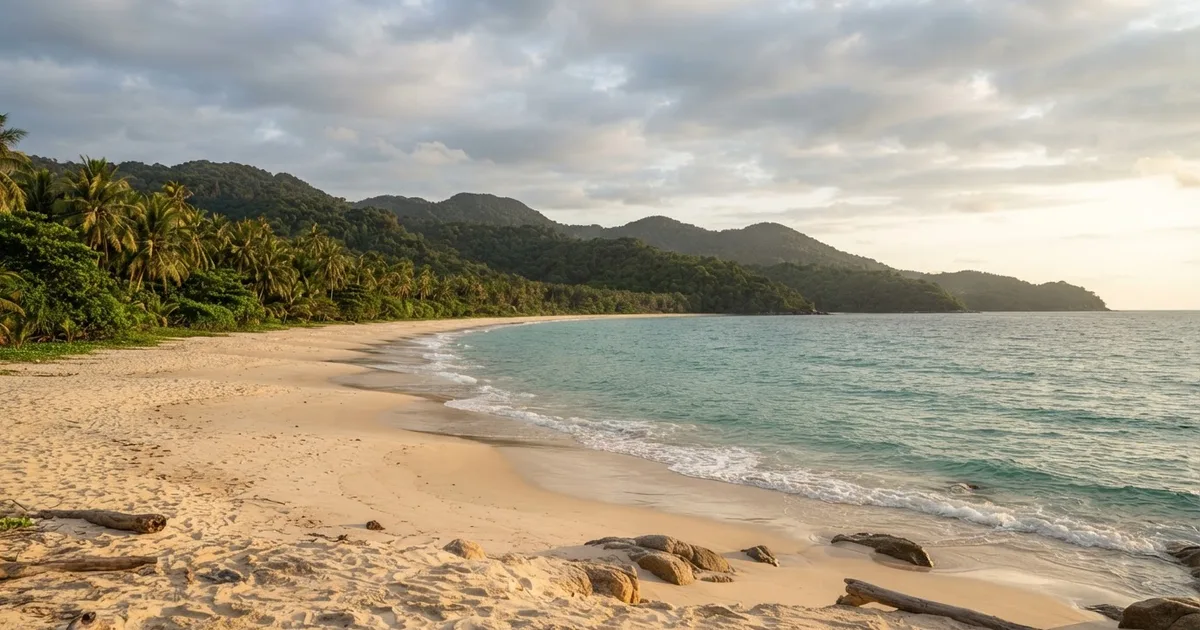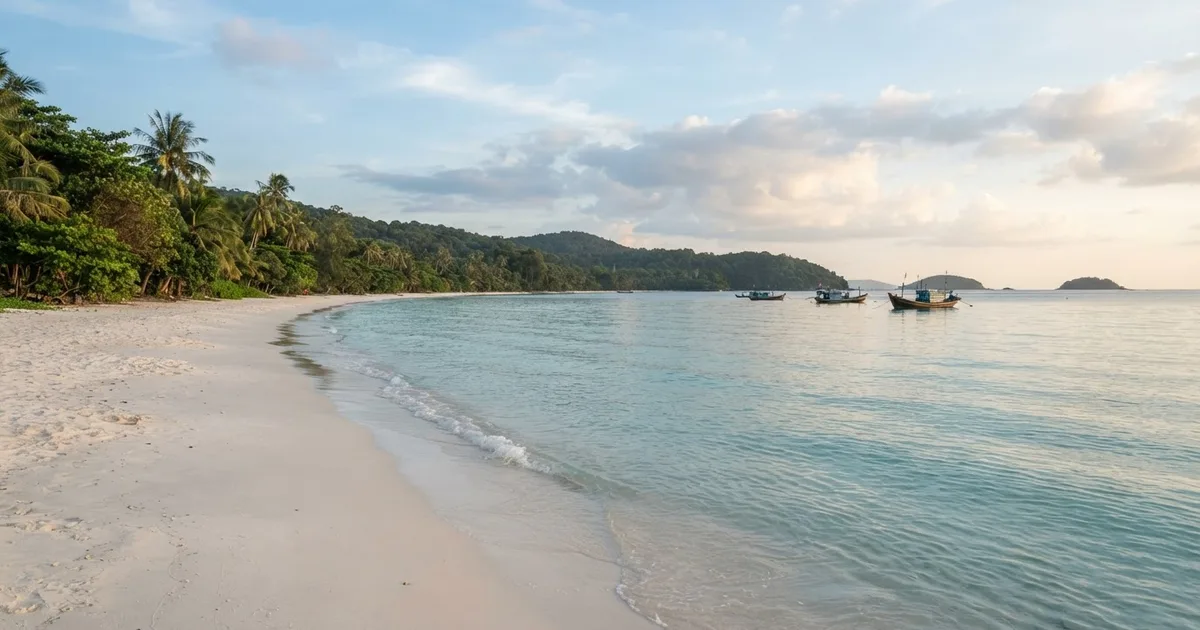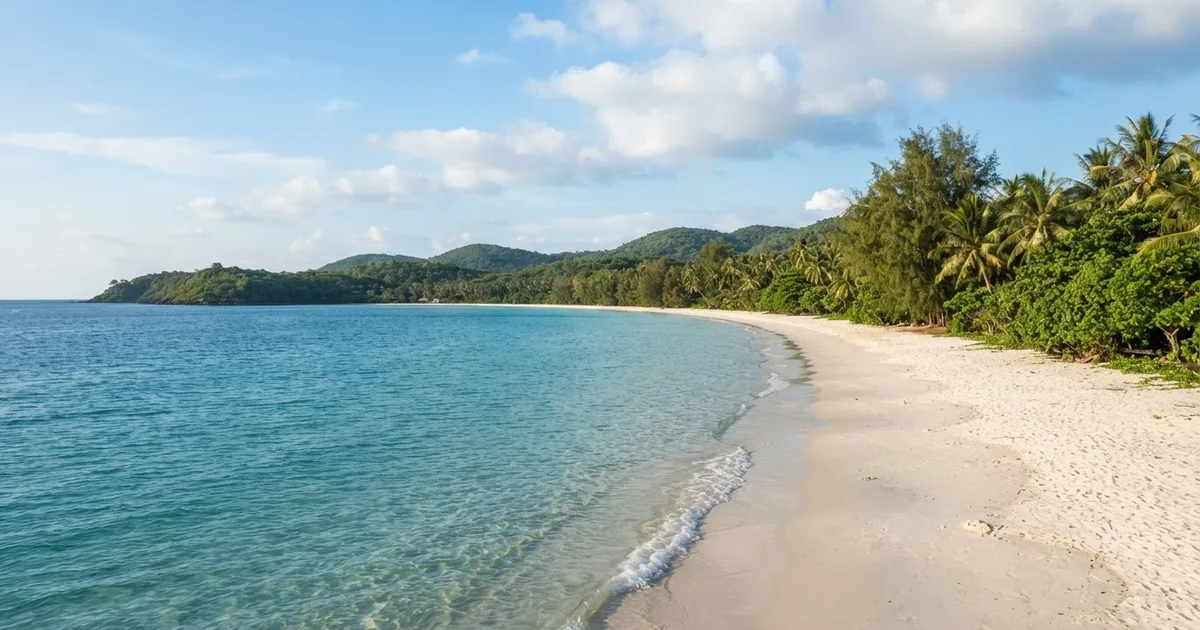
Choose Phu Quoc if the beach is the whole point of the trip; choose Hoi An if you want culture, food and a walkable heritage town. Phu Quoc is the pricier of the two — a 2026 mid-range budget runs $105–195 per day against $85–150 for Hoi An — and it is the stronger beach destination by a clear margin. Hoi An gets 20–30% cheaper the moment you step one block outside the heritage zone.
Phu Quoc or Hoi An: The 30-Second Answer
These two destinations are not really competing for the same trip. Phu Quoc is a 574 km² island in the Gulf of Thailand, roughly 50 km long, with an airport, resort strips and the best sand in Vietnam. Hoi An is a UNESCO-listed trading port on the mainland coast, 30 km south of Da Nang, where the appeal is lantern-lit streets, tailors, cao lau noodles and 400-year-old merchant houses.
Independent 2026 cost guides label Phu Quoc an "island premium" destination and Hoi An "affordable" — that single line sums up the trade-off. You pay more per day on the island, and what you buy with that money is beach quality and resort infrastructure. You pay less in Hoi An, and what you buy instead is culture, walkability and food.
Pick Phu Quoc if you want...
- A beach-first or resort holiday where you barely leave the sand
- Bai Sao and the southern islets, snorkelling and cable-car day trips
- Calm, warm, swimmable water with no surf to worry about
- A direct international flight onto the island itself
- Resort value that still undercuts Phuket and Bali by 30–50%
Pick Hoi An if you want...
- A culture-first trip built around a heritage town you can walk end to end
- Serious food — Hoi An is one of Vietnam's best eating towns
- The cheapest of the two by a wide margin, especially outside the old town
- Tailors, lantern workshops, cycling through rice paddies
- Easy day trips: My Son Sanctuary, Da Nang, the Hai Van Pass
Phu Quoc is a poor fit if...
You want temples, museums, street-life density or a walkable old quarter. Phu Quoc's cultural attractions are genuinely limited, and outside the night market and a few fishing villages there is little to do that isn't beach, boat or theme park. If you get restless after two days on sand, this is not your island.
Hoi An is a poor fit if...
You are chasing a pure beach holiday. Hoi An's beaches score a respectable 4/5, but the town is framed as city + culture rather than a beach destination — An Bang is a 4 km bike ride out, and the sea is seasonal. October and November bring flooding in the old town. If your non-negotiables are turquoise water and a sun lounger at the door, book Phu Quoc.
What a Day Actually Costs in Each Place
Two 2026 cost sources give different absolute numbers but agree on the direction: Phu Quoc is more expensive. One guide puts Phu Quoc's mid-range daily budget at $105–195 versus $85–150 for Hoi An. A second, leaner cost index rates Phu Quoc at $55–80/day and Hoi An at $45–70/day. The gap is consistent — roughly 15–25% in Hoi An's favour.
Vietnam Airlines' own destination guidance confirms the pattern, noting Phu Quoc is generally more expensive than Hoi An, particularly for accommodation and dining. On the ground, a 2026 price index found Phu Quoc's everyday costs running about 10–20% above mainland Vietnam — that is the island premium in practice, paid on everything from a bowl of pho to a motorbike rental.
| Cost item | Phu Quoc | Hoi An |
|---|---|---|
| Mid-range daily budget (guide A) | $105–195 | $85–150 |
| Mid-range daily budget (guide B) | $55–80 | $45–70 |
| Positioning | Island premium | Affordable |
| Local everyday prices | 10–20% above mainland | Mainland baseline |
| Cheapest accommodation tier | Budget guesthouse from about $10–15/night | Drops a further 20–30% one block outside the heritage zone |
| Beach resort value | 30–50% cheaper than comparable Phuket or Bali resorts | Not a resort market |
Where the savings hide in Hoi An: the heritage zone carries a tourist-zone markup. A 2026 cost guide puts Hoi An accommodation and food at 20–30% cheaper one block outside the old town. Walking five minutes further for dinner is the single highest-return decision in this comparison.
The one place Phu Quoc looks cheap is at the top end. Its beach resorts cost roughly 30–50% less than comparable properties in Phuket or Bali, even though they remain pricier than anything equivalent on the Vietnamese mainland. If you were already considering a Bali resort, Phu Quoc is the value play — just don't expect mainland Vietnam prices.
Beaches: Phu Quoc Wins, and It Isn't Close
Every source retrieved for this comparison points the same way. Phu Quoc is the stronger beach choice; no source gives Hoi An the same beach-first positioning. Travel forum consensus is that Phu Quoc's beaches outshine those of Da Nang — the usual mainland benchmark — with the caveat that they are not quite the postcard-perfect paradise some marketing implies.
Bai Sao (Star Beach) on the south coast is the standout: fine white sand, shallow turquoise water, and the classic longtail-boat photo. Bai Dai (Long Beach) runs along the west coast near the airport and catches the sunset. The southern islets — Hon Thom, Hon Xuong — are reachable by the Hon Thom cable car, one of the longest over-sea cable car routes in the world, or by day boat.
The water is calm and warm year-round, which makes Phu Quoc excellent for swimming, snorkelling and families with small children. It also means there is effectively no surf. If riding waves matters to you, this is the wrong island.
Hoi An's beaches, by contrast, rate 4/5 in Vietnam comparison pages — genuinely good, but secondary to the town. An Bang is the popular one, a short bicycle ride from the old town, with beach bars and a low-key scene. Cua Dai, further south, has suffered from erosion and seasonal sand movement. Both are seasonal: the sea is at its best from roughly March to September, and the autumn months can bring rough water and, in the old town, flooding.
Rule of thumb: if you would be disappointed by a 4/5 beach, go to Phu Quoc. If a 4/5 beach plus a UNESCO heritage town sounds better than a 5/5 beach plus very little else, go to Hoi An.
Culture, Food and Things to Do: Hoi An Wins
Hoi An is a UNESCO World Heritage site, listed in 1999 as an exceptionally well-preserved Southeast Asian trading port. The old town is small enough to walk in an afternoon and dense enough to keep you busy for three days: the Japanese Covered Bridge, the Tan Ky merchant house, assembly halls built by Chinese communities, and hundreds of lantern-lit shophouses.
Entry to the heritage zone is ticketed at about 120,000 VND (roughly $5), which covers a set number of the major sights. Beyond the old town there is My Son Sanctuary, the Cham temple complex about 40 km inland, and Da Nang's Marble Mountains within a half-day trip.
Food is Hoi An's other headline act. Cao lau, white rose dumplings and chicken rice are local specialities you will not find done properly anywhere else in Vietnam, and the town has a deep bench of cooking classes and street-food tours. Tailoring is the third pillar —Hoi An has more tailor shops per square metre than anywhere else in the country, with suits typically turned around in 24–48 hours.
Phu Quoc, by comparison, is thin on culture. The island's story is fish sauce, pepper farms and pearl cultivation, and you can cover the interesting non-beach stops — the fish sauce factory, a pepper farm, the night market in Duong Dong — in a single relaxed day. Beyond that, the attractions are commercial: VinWonders theme park, the safari park, the cable car, sunset cruises and night squid fishing. Fun, but not heritage.
| What you're comparing | Phu Quoc | Hoi An |
|---|---|---|
| Beach quality | Best in Vietnam; Bai Sao the highlight | Rated 4/5; An Bang and Cua Dai |
| Surf | None — calm water year-round | Minimal; seasonal chop |
| Culture and heritage | Limited | UNESCO old town, My Son, temples |
| Food scene | Seafood and night market | One of Vietnam's best eating towns |
| Walkability | Low — you need a motorbike or taxi | Very high in the old town |
| Best for | Beach and resort trips | Culture-first trips |
Who Each Destination Suits — and Who Should Skip It
Phu Quoc suits: honeymooners, families with young children, divers and snorkellers, anyone who wants a resort where the pool and the sea are the itinerary, and travellers who value a direct international flight onto the island over a mainland transfer. It also suits budget-conscious resort shoppers — the 30–50% saving against Phuket and Bali is real.
Phu Quoc does not suit: travellers who need a walkable town, anyone who wants temples and museums, solo travellers looking for hostel culture and street-life buzz, and surfers. If you have already done two weeks of Vietnamese cities and want a third, Phu Quoc will feel like a pause rather than a place.
Hoi An suits: food-led travellers, photographers, couples who want atmosphere over beach time, shoppers after tailored clothing, and anyone on a tighter budget — it is the cheaper of the two on every published index. It also suits travellers combining culture with a short beach add-on, since An Bang is a 10-minute bicycle ride away.
Hoi An does not suit: travellers whose main goal is swimming and sunbathing for a week straight, anyone visiting in October or November (flood season in the old town), and people who dislike crowds — the heritage zone is small and busy, particularly in the evening when the lanterns come on and day-trippers arrive from Da Nang.
Getting There, Timing and How Long to Stay
Phu Quoc has its own international airport (PQC) with direct flights from a growing list of Asian cities, plus frequent domestic connections to Hanoi and Ho Chi Minh City. Hoi An has no airport: you fly into Da Nang (DAD), about 30 km and 45 minutes away by road. Da Nang has far more flight options and usually cheaper fares, which partly offsets Hoi An's lower on-the-ground costs.
Phu Quoc also has a long-standing 30-day visa exemption for arrivals directly onto the island, which is a meaningful advantage if your nationality normally needs a Vietnamese visa. Rules change, so confirm the current policy before booking.
Best time for Phu Quoc: the dry season runs roughly November to April, with December to March the sweet spot — calm sea, low rain, comfortable heat. May to October is the southwest monsoon: cheaper rooms, greener island, but afternoon downpours and rougher boat crossings.
Best time for Hoi An: February to August is the dry window, with February to April offering the best mix of warm days and manageable humidity. September and October are the transition into the wet season, and October to November is peak flood risk in the old town — streets can be knee-deep.
How long: give Phu Quoc four to five nights if you want beach time plus a boat trip and the cable car; three nights is enough for a pure resort reset. Give Hoi An three to four nights to cover the old town properly plus My Son and a beach day. Doing both is easy — there are direct flights between Phu Quoc and Da Nang of roughly 1.5 hours, so a 10-day trip splitting five and five works well.
How Phu Quoc Compares to Bali, If You're Still Zooming Out
Once you are weighing an island beach trip, Bali inevitably enters the conversation. The numbers favour Phu Quoc on cost: it runs about 30–40% cheaper than Bali across accommodation, food, transport and activities. A budget guesthouse costs roughly $10–15 per night in Phu Quoc against $20–35 in Bali.
Phu Quoc also wins on beach quality and cleanliness, with Bai Sao the clear highlight, while Bali's beaches vary enormously by area — some excellent, some heavily developed. Phu Quoc is the better pick if you want pristine sand at lower cost with fewer crowds.
Bali wins on almost everything else. It has far more variety, stronger infrastructure and better nightlife, plus genuine culture — temples, ceremonies and the rice terraces around Ubud — where Phu Quoc is limited. Bali is also the surf destination: Uluwatu and Canggu draw surfers from around the world, while Phu Quoc has calm water and effectively no surf at all.
One widely cited comparison argues Bali is the better all-round choice for most travellers on the strength of that variety, infrastructure and nightlife. That is a fair verdict for a general traveller — and it is exactly why Phu Quoc is the right answer for a narrower brief: beach first, budget second, nightlife and temples not required.
Frequently Asked Questions
Is Phu Quoc or Hoi An cheaper?
Hoi An is cheaper. A 2026 mid-range budget for Phu Quoc runs $105–195 per day against $85–150 for Hoi An, and a leaner cost index puts them at $55–80 and $45–70 respectively. Phu Quoc's local prices also sit about 10–20% above mainland Vietnam, while Hoi An drops a further 20–30% one block outside the heritage zone.
Which has better beaches, Phu Quoc or Hoi An?
Phu Quoc, clearly. Bai Sao is the standout, with Bai Dai running along the west coast, and the water is calm and swimmable year-round. Hoi An's beaches rate a respectable 4/5, but the town is positioned as city + culture rather than a beach destination, and An Bang is a 4 km bicycle ride from the old town.
Can I visit both Phu Quoc and Hoi An in one trip?
Yes, and it is a popular combination. There are direct flights between Phu Quoc and Da Nang of roughly 1.5 hours, and Da Nang is a 45-minute drive from Hoi An. A 10-day trip splitting five nights on the island and five in Hoi An gives you both a beach holiday and a culture stop without backtracking.
How many days do I need in each place?
Four to five nights in Phu Quoc if you want beach time plus a boat trip, snorkelling and the Hon Thom cable car; three nights is enough for a pure resort reset. Hoi An needs three to four nights to cover the old town properly, plus a day for My Son Sanctuary and a beach afternoon at An Bang.
When is the best time to visit each?
Phu Quoc's dry season runs roughly November to April, with December to March the best window. Hoi An is best from February to August, with February to April ideal. Avoid Hoi An in October and November, when the old town floods, and expect afternoon downpours on Phu Quoc from May to October.
Is Hoi An good for a beach holiday?
It is a good beach add-on, not a beach holiday. Hoi An's beaches score 4/5 and An Bang has a pleasant bar-and-bistro scene, but the sea is seasonal and the town's identity is heritage and food. If swimming and sunbathing are your priority for a full week, Phu Quoc is the better base.
Do I need a visa for Phu Quoc?
Phu Quoc has long operated a 30-day visa exemption for travellers arriving directly onto the island, which does not apply if you enter Vietnam elsewhere first. This is a genuine advantage over Hoi An, which is reached via Da Nang and follows standard Vietnamese visa rules. Confirm the current policy before booking.
Is Phu Quoc worth it compared with Bali?
For a beach-first trip on a budget, yes. Phu Quoc runs about 30–40% cheaper than Bali across accommodation, food, transport and activities, with guesthouses at $10–15 per night versus $20–35 in Bali, and better, cleaner beaches. Bali wins on culture, nightlife, variety and surf.
Still deciding? Sabrina Rental is based on Phu Quoc and can tell you honestly whether the island fits your dates, your budget and your travel style — then sort your motorbike, room or boat trip if it does.
Ask Sabrina About Your Phu Quoc Trip