High season in Phu Quoc runs from November to March, while low season stretches from May to October — and the price gap between them is large: low-season rooms cost about 30–50% less, while peak-season rates run 60–100% above low-season levels. The most expensive window is December 20 to January 10, when hotel rates typically hit 2.0–2.5× their normal level. If you want the best beach weather, target December to February (February is the single best month); if you want the best value, June to September delivers private rooms from $10–13 per night and the island at its quietest.
When Is High Season and Low Season in Phu Quoc?
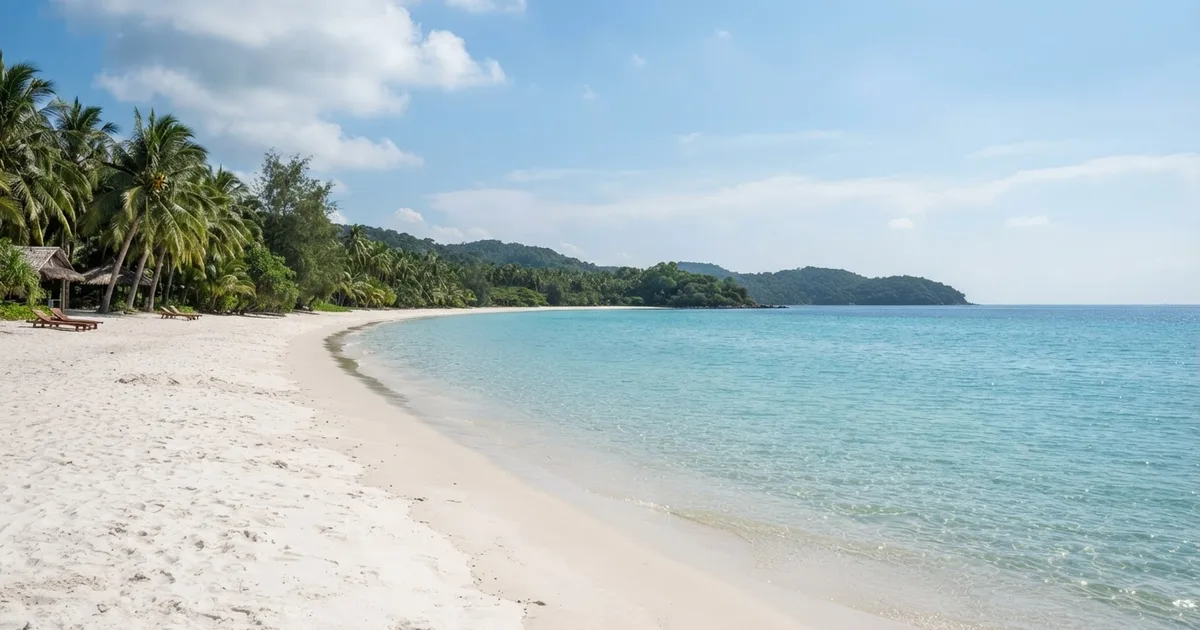
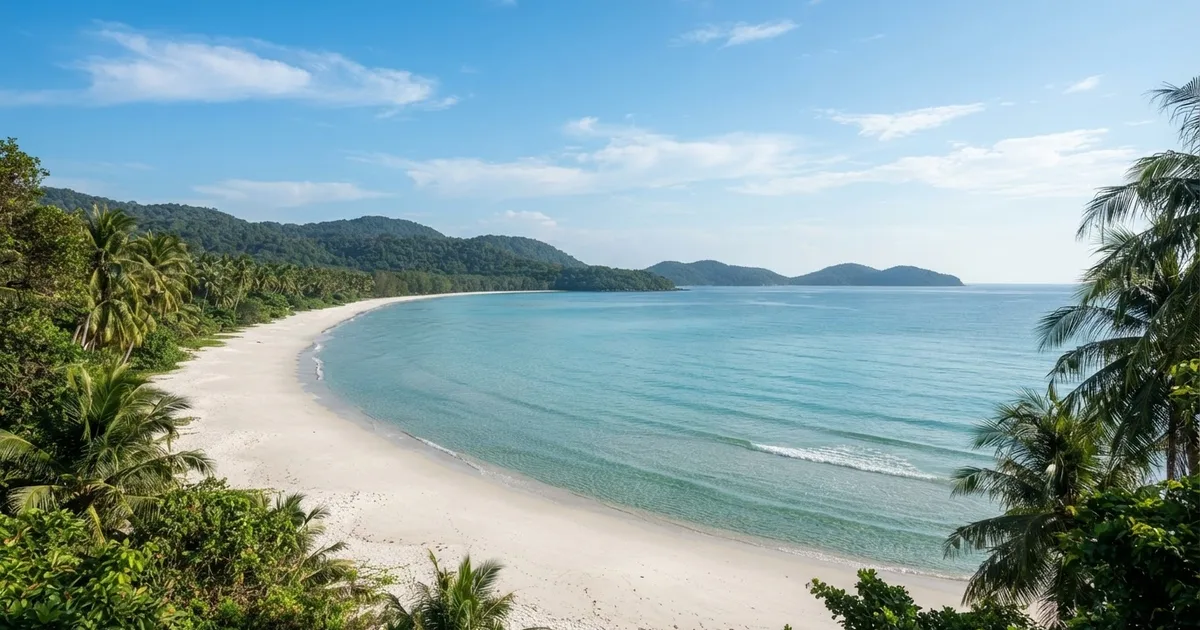
Phu Quoc has two clearly defined visitor seasons. The high season runs from November to March, when the northeast monsoon brings dry, sunny days, calm seas on the west coast and the most reliable beach weather of the year. December to February is the absolute peak of that peak — the stretch with the best sand-and-swim conditions on the island's calendar — and February is generally considered the best single month to visit.
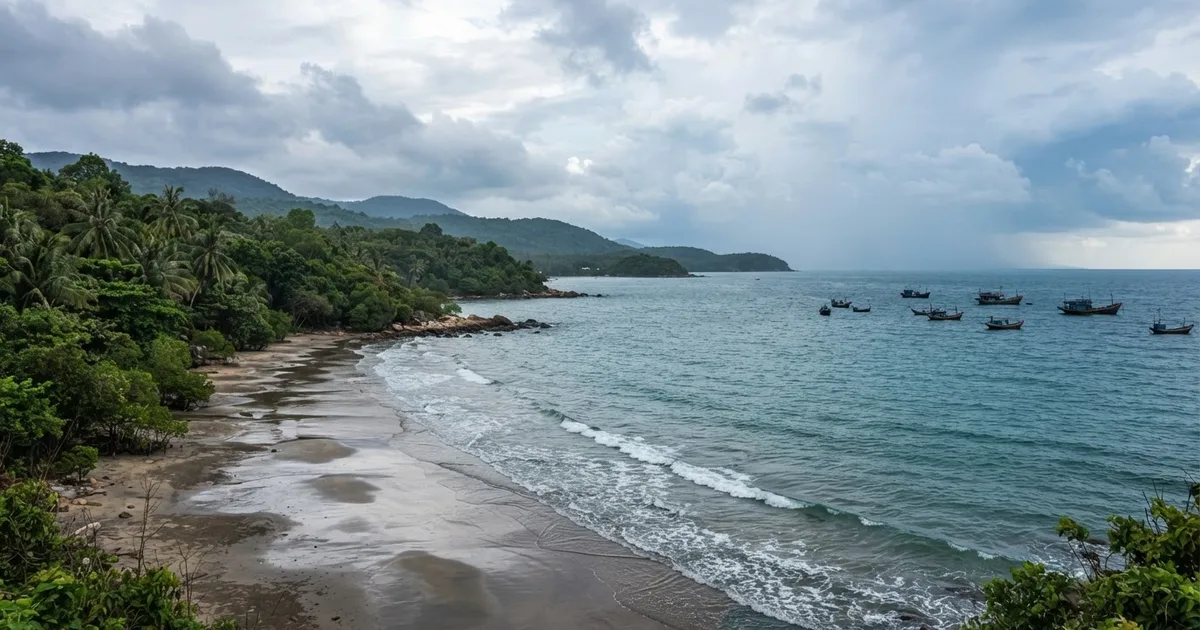
The low season runs from May to October, coinciding with the southwest monsoon. This is the wetter half of the year, with rain on many days in the wettest months — but also the quietest beaches and the lowest prices of the year. In between, April and October act as shoulder months: April usually stays mostly dry with thinning crowds, while late October is the tail of the rains just before the November switch to dry-season conditions.
One date range sits above everything else: December 20 to January 10. This Christmas–New Year window is when Phu Quoc is both at its busiest and at its most expensive, with room rates typically at 2.0–2.5× their normal level. The Vietnamese Lunar New Year (Tet), which falls in late January or February depending on the year, produces a second, shorter price spike driven by domestic travel.
| Period | Season | Prices | Crowds |
|---|---|---|---|
| November – March | High season | +30–100% vs low season | Busy; peak Dec–Feb |
| December 20 – January 10 | Peak window | 2.0–2.5× normal rates | Maximum of the year |
| Tet holiday (late Jan/Feb, shifts yearly) | Domestic peak | Sharp short spike | Busiest domestic week |
| April | Shoulder | Easing down from peak | Thinning quickly |
| May – October | Low season | 30–50% cheaper | Quietest of the year |
How Much Cheaper Is Low Season? The Real Price Numbers
Across accommodation types, low-season rooms in Phu Quoc cost about 30–50% less than the same room in high season — and at the top end the gap widens dramatically. Peak-season rates can sit 60–100% above low-season levels, and December alone pushes hotel prices up roughly 30–50% as the island fills for the holidays.
| Where you stay | Low season (May–Oct) | High season (Nov–Mar) |
|---|---|---|
| 3-star hotel room | From 520,000₫ (~$20)/night | From 910,000₫ (~$35)/night |
| 4-star room with pool | ~$28–45/night (July) | ~$55–75/night (January) |
| 5-star resort room | From 1,530,000₫ (~$59)/night | From 5,200,000₫ (~$200)/night |
| Private room / homestay | ~$10–13/night (June–September) | ~$18–25/night |
| Beach bungalow | From ~$25/night | From ~$38/night (peak) |
The pattern is consistent: the more you spend, the more low season saves you. A five-star resort room that starts at about $59 per night between May and October climbs to around $200 from November to March — a jump of roughly 240% — and the December 20 – January 10 window can push those figures higher still. At the budget end the absolute numbers are smaller but the percentage is real: a 3-star room at ~$20 in low season becomes ~$35 in high season, a 75% increase for the identical room.
For long stays, the low-season numbers are the whole argument. Private rooms at $10–13 per night in June–September work out to roughly $300–390 per month, which is exactly why the rainy months attract remote workers and long-stay travelers. A $25 low-season bungalow that rises to $38 in peak season still undercuts most high-season hotel rooms while giving you more space and a hammock.
Crowds: What Each Season Actually Feels Like on the Ground
December is rated high-crowd season in Phu Quoc, and hotel prices rise 30–50% simply because demand is that strong. In practice that means full rows of loungers on Long Beach, a solid sunset crowd along the northwest coast, queues at VinWonders and Vinpearl Safari, and the night-market lanes in Duong Dong at their tightest. Speedboat seats for the southern islets — Hon Mong Tay, May Rut and the sandbars off An Thoi — are best reserved a day ahead rather than arranged on the morning.
The December 20 – January 10 window compresses all of that into maximum intensity: expect slow traffic on the coastal road, the highest taxi and ride-hailing demand of the year at sunset, and west-coast restaurants running at full capacity. Tet week adds a second surge of Vietnamese families, with resorts around Bai Sao and the VinWonders corridor booking out early.
Low season inverts all of it. Beaches in July and August are often near-empty, tour boats have spare seats and flexible departure times, and restaurants compete for your table rather than the reverse. The trade-off: some seasonal beach bars and small bungalow operations close or reduce hours around September and October, so the island feels sleepy rather than merely quieter.
Weather Trade-offs: Dry-Season Perfection vs Rainy-Season Reality
Weather is what you are actually buying with a high-season premium. From November to April, Phu Quoc gets its most reliable beach weather of the year: the least rainfall, calmer seas and long stretches of dry, sunny days. December to February is the absolute peak for beach conditions, and December to March delivers consistently strong dry-season weather. For beach- and island-hopping travelers, November to April is simply the easiest period to plan around — boat trips to the An Thoi archipelago run on schedule, and the west-coast swimming beaches (Long Beach, Ong Lang) sit flat and clear.
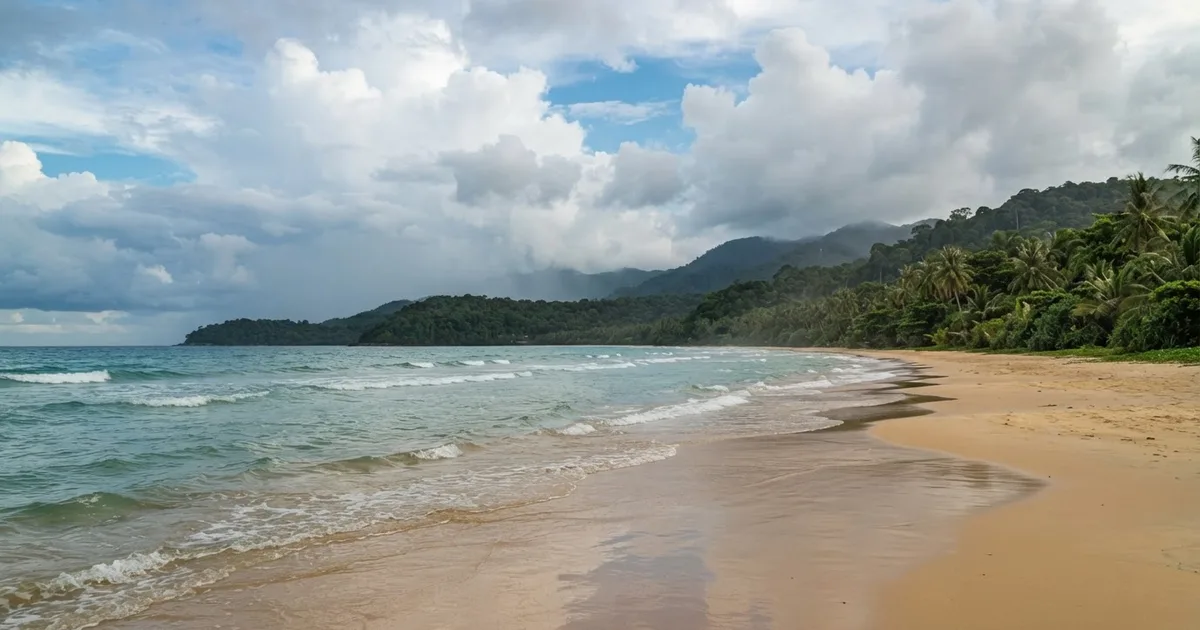
Low season trades reliability for green landscapes and lower prices. May to October is the wetter season: rain typically arrives as short, sharp afternoon or evening bursts rather than all-day washouts, and mornings are often perfectly usable. The wettest stretch usually falls around August and September, when monthly rainfall can reach 300–400 mm. Seas on the exposed west coast pick up wind and waves — red swim flags are common on Long Beach in July and August — while the sheltered southeast beaches around Bai Sao and Bai Khem stay swimmable for most of the season.
The practical consequences are easy to plan for. In low season, island-hopping and snorkeling trips can be cancelled or rerouted on rough days, so build one flexible day into any boat itinerary. On land, almost nothing closes: waterfalls such as Suoi Tranh and Suoi Da Ban are at their most impressive precisely when the rain is running, and the cooler, overcast stretches are comfortable for long motorbike loops around the island.
Month by Month: Prices, Crowds and Conditions at a Glance
Here is how the trade-offs play out across the calendar, from the first dry-season weeks to the wettest stretch of the year:
| Month | Weather | Crowds | Typical prices | Best for |
|---|---|---|---|---|
| November | Dry season begins; seas calming | Building | High-season rates start | Dry weather at softer prices |
| December | Excellent | High; peak after Dec 20 | +30–50%; 2.0–2.5× after Dec 20 | Festive trips booked early |
| January | Excellent | Very high to Jan 10, then easing; Tet spike some years | 2.0–2.5× to Jan 10, then high | Premium beach weather |
| February | Best beach weather of the year | High but easing | High | The single best month overall |
| March | Excellent; warming up | Moderate–high | High | Dry-season trip with fewer families |
| April | Hot; mostly dry, showers returning late | Thinning | Dropping toward low-season levels | Shoulder-month value |
| May – June | Showers increasing; west coast choppier | Low | 30–50% below high season | Quiet beaches, lower budgets |
| July – August | Showery; wavy on the west coast | Low | Lowest tiers: $10–13 private rooms | Budget trips and long stays |
| September – October | Wettest stretch; up to 300–400 mm in peak months | Lowest of the year | Lowest of the year | Maximum savings, flexible plans |
High Season or Low Season: Which One Fits Your Trip?
Neither season is objectively better — they suit different trips. Be honest about which of these describes yours before you book flights.
Choose high season (Nov–Mar) if…
- This is your first visit and you want the island at its best.
- Island-hopping, snorkeling and calm west-coast swimming are the main point of the trip.
- You are tied to Christmas, New Year or Tet dates.
- You are celebrating — the top resorts run ~$200/night here, so book early for the best ones.
Less suited to: travelers on a tight budget — the same room that costs $20–59 in low season runs $35–200 now — and anyone who dislikes busy beaches and booked-out tours.
Choose low season (May–Oct) if…
- Price is the priority: rooms are 30–50% cheaper and private rooms run $10–13 in June–September.
- You want space — near-empty beaches, easy restaurant tables, negotiable tour prices.
- You are staying a week or longer and can work around afternoon showers.
- You care more about waterfalls, green landscapes and cooler riding weather than flat turquoise water.
Less suited to: travelers whose only goal is guaranteed blue-sky beach days, and anyone who would be genuinely disappointed if a boat trip gets weather-cancelled.
Shoulder months (April, October–early November)
- April: still mostly dry, crowds thinning, rates sliding down from peak.
- Late October: tail of the rains, lowest prices, the island reopening for the new season.
Trade-off: conditions are transitional — you may get mostly dry weeks, or catch the season's first or last storms.
How to Book Smart in Either Season
A few timing decisions move the total cost of a Phu Quoc trip more than anything else. Run through this list before you pay for anything:
- Peak window: for December 20 – January 10, book 2–3 months ahead and expect 2.0–2.5× normal rates; the best beachfront rooms go first.
- Tet check: confirm the Lunar New Year dates for your travel year (late January or February) — domestic demand spikes and some local restaurants close for 2–4 days.
- Low-season leverage: in May–October, walk-in and negotiated rates often beat online prices, and weekly or monthly stays push a $25 bungalow well below its rack rate.
- Midweek beats weekend: Tuesday–Thursday nights cost noticeably less year-round, including inside the high season.
- Weather buffer: in September–October, choose free-cancellation rates and keep one spare day around any boat itinerary.
- Tours: reserve island-hopping seats a day ahead in high season; in low season, book on the morning after checking sea conditions.
- Transport: reserve a motorbike or car ahead for the December–February rush; in the rainy months, ask for a scooter with good tires and covered parking.
Frequently Asked Questions
When is high season in Phu Quoc?
High season runs from November to March, when the island gets its driest, sunniest weather and calmest seas. December to February is the absolute peak, and December 20 – January 10 is the most expensive stretch, with hotel rates at 2.0–2.5× normal levels. Low season runs from May to October.
How much cheaper are hotels in the low season?
About 30–50% cheaper overall. A 3-star room drops from roughly 910,000₫ (~$35) to 520,000₫ (~$20) per night, a 4-star pool room from $55–75 in January to $28–45 in July, and a 5-star resort room from about 5,200,000₫ (~$200) to 1,530,000₫ (~$59). At the very peak, rates run 60–100% above low-season levels.
What is the best month to visit Phu Quoc?
February is generally considered the best single month: it sits inside the December–February peak for beach weather, with minimal rain, calm seas and crowds slightly eased after the New Year rush. March is a close second with very similar conditions and marginally better availability and prices.
Does it rain all day in Phu Quoc's rainy season?
Usually not. Rain between May and October typically falls in short, heavy afternoon or evening bursts, and mornings are often clear. The wettest stretch is around August–September, with monthly totals that can reach 300–400 mm, so plan beach time for the mornings and keep a light rain jacket handy.
Can you still swim in the sea in the low season?
Yes — but pick the right coast. The exposed west side (Long Beach) often gets waves and red flags from the southwest monsoon in July–August, while the sheltered southeast beaches around Bai Sao and Bai Khem stay swimmable most of the season. Boat trips may be cancelled on rough days, so keep one flexible day.
Which dates are the most crowded and expensive?
December 20 to January 10, when rooms typically cost 2.0–2.5× their normal rate and the island is at its busiest. December overall already pushes prices up about 30–50%, and the Tet (Lunar New Year) week in late January or February adds a second spike driven by Vietnamese domestic travel.
Is October a good time to visit Phu Quoc?
It is a trade-off month. You get the lowest prices and the thinnest crowds of the year, but October still sits at the tail of the rainy season, so expect showers and occasionally rough seas. Late October often improves noticeably ahead of the November switch to dry-season weather.
Do food, tours and transport also get more expensive in high season?
Rooms drive almost the entire seasonal price swing. Street food and local restaurants barely change — a basic meal stays around 50,000–80,000₫ — while tours and boat trips rise modestly and sell out rather than double. Motorbike rentals stay broadly stable, but reserve ahead for the December–February rush.
Whichever season you choose, Sabrina Rental can set you up on the ground — motorbikes and cars delivered to your hotel, rooms and bungalows across the island, boat trips booked with the right operator for that month's sea conditions, and honest local advice on where to swim and eat. Tell us your dates and we will help you plan around them.
Contact Sabrina Rental