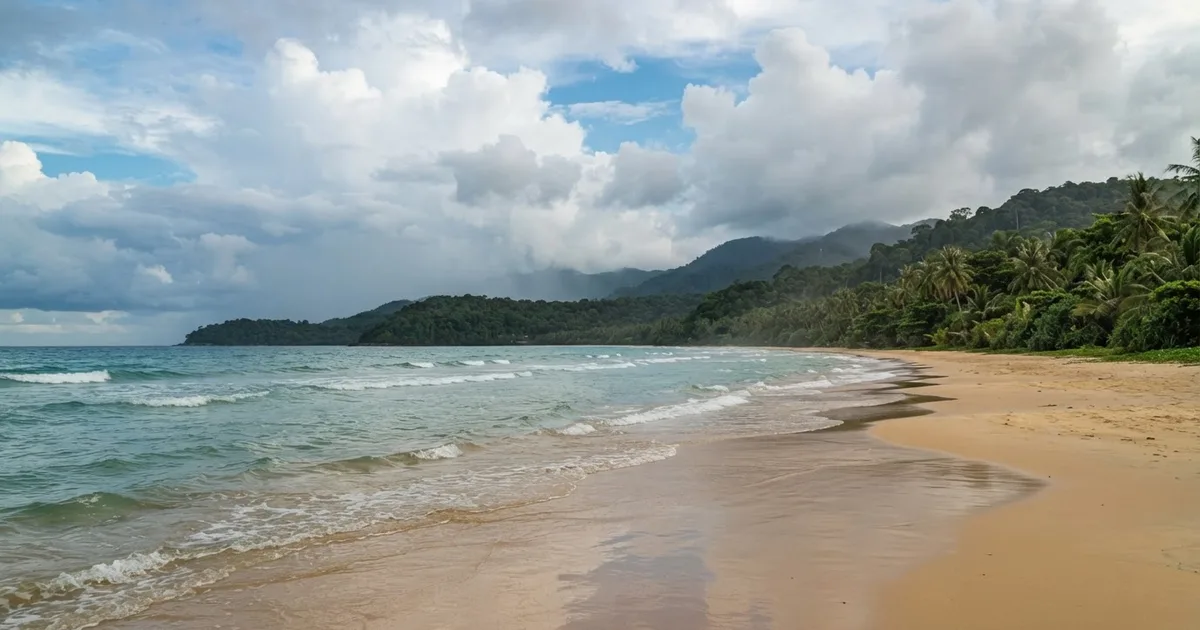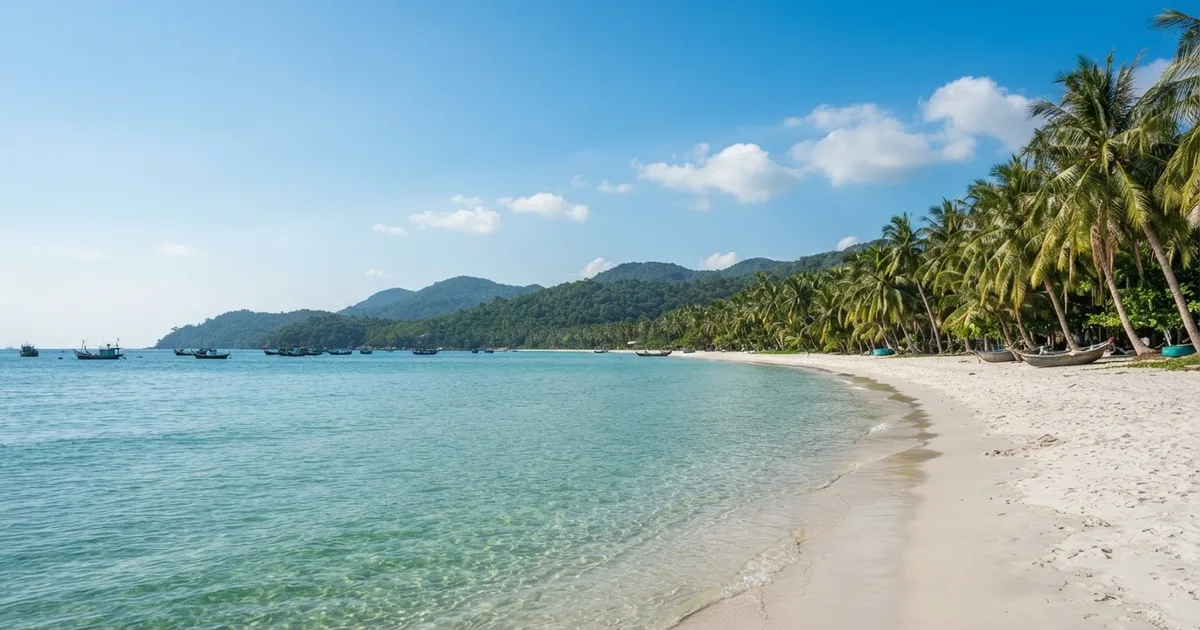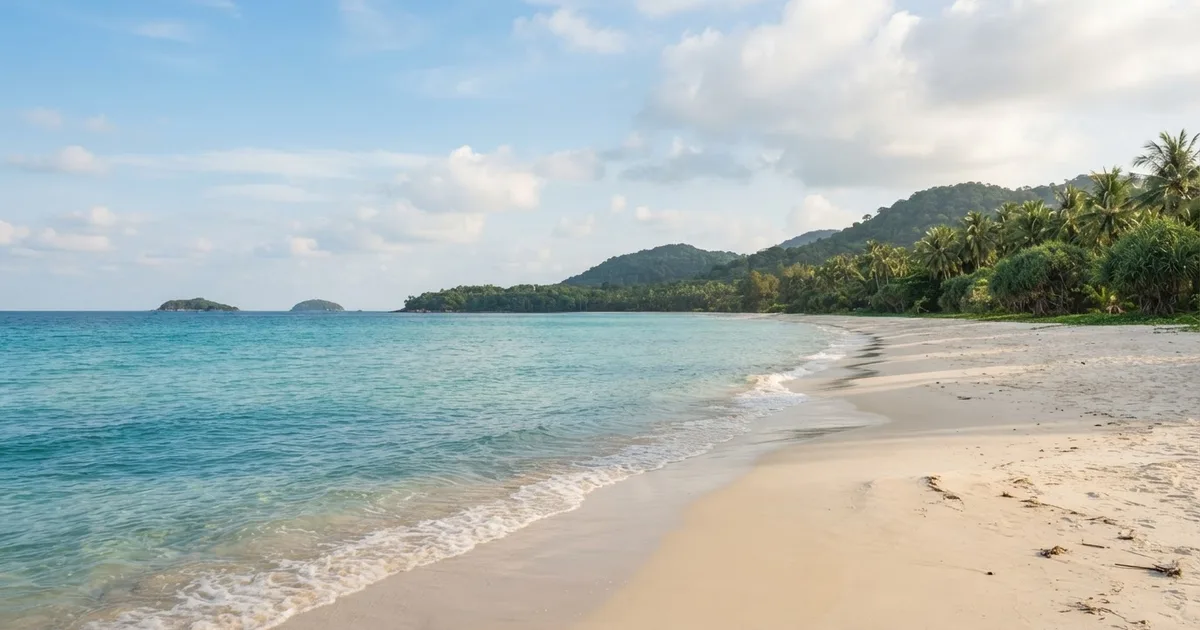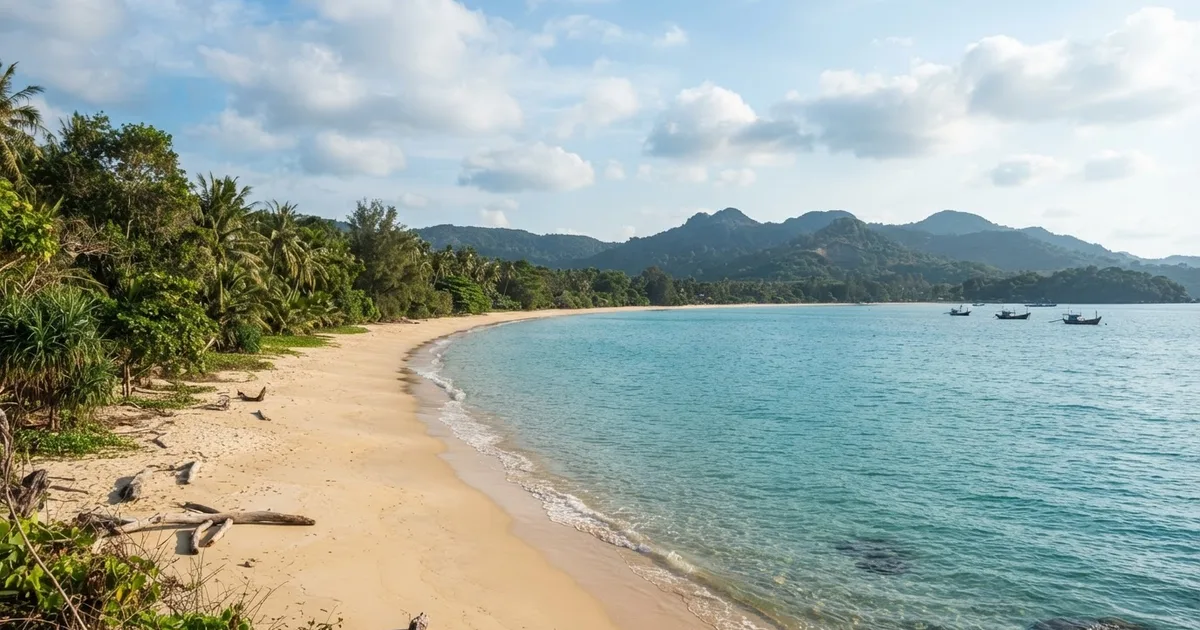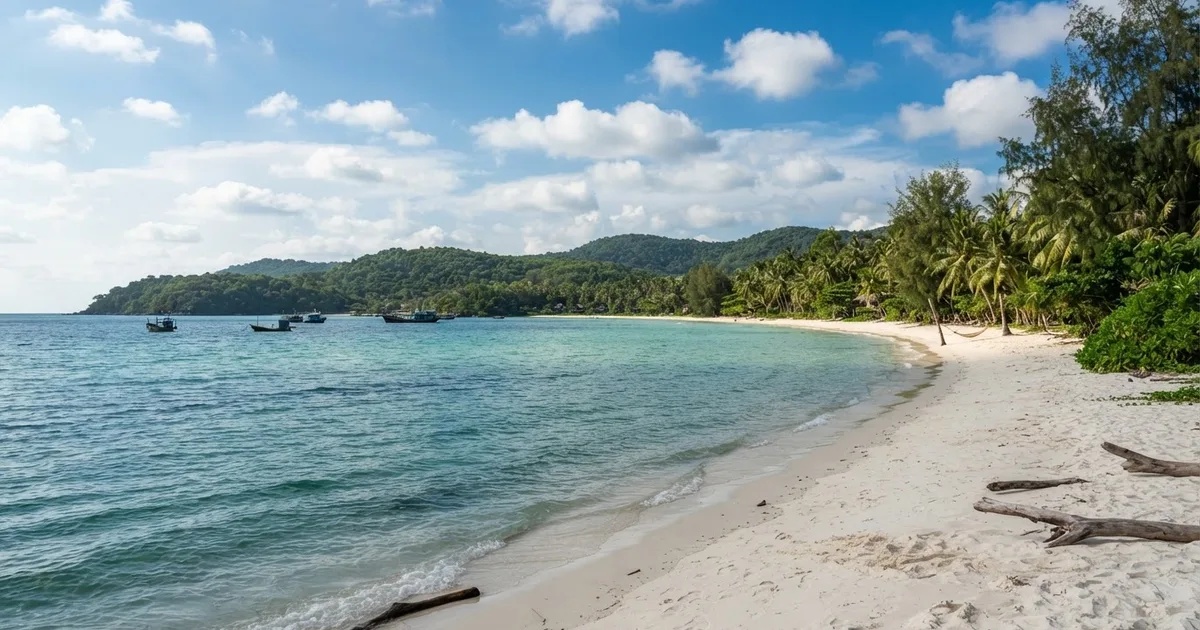
November in Phu Quoc is a transition month: the southwest monsoon is fading, so the first ten days are still showery while the second half turns dry, sunny and calm. Expect daily highs of 86-88°F (30-31°C) and overnight lows of 77-80°F (25-27°C), with published rainfall estimates ranging from 57 mm to 337 mm depending on the source. Book the last two weeks of the month and you get dry-season conditions at prices below the December-February peak.
What Is Phu Quoc Weather Actually Like in November?
Phu Quoc sits roughly 10 degrees north of the equator, so November is never cold - the only real question is how wet it is. Daytime highs hold at 86-88°F (30-31°C) and overnight lows at 77-80°F (25-27°C). Different weather services put the monthly average close to 29°C, with VietnamOnline listing a narrower band of 26.8°C to 29.1°C. Humidity stays high in the wake of the monsoon, so a 88°F afternoon often feels like the mid-90s between 11am and 3pm.
Sunshine is the number that shifts fastest across the month. The monthly average is about 5 hours of bright sunshine per day, but that figure is dragged down by the grey, showery opening ten days. By the final week of November you are regularly getting full blue-sky days, and the sea has flattened out. One November guide describes the island as "transitional" and notes that the rain usually straightens out by mid-November - that single sentence is the most useful planning advice for this month.
Sea temperature stays around 28°C (82°F) all month, warm enough for long swims without a rash guard. The wind is the other quiet change: the southwest monsoon that drives the May-October rains weakens and swings around, and by late November the prevailing breeze arrives from the northeast. That shift is what makes the west-coast beaches - Long Beach, Ong Lang, Cua Can - calm and swimmable again after months of chop.
| Metric | November figure | Notes |
|---|---|---|
| Daytime high | 86-88°F (30-31°C) | Peak heat 11am-3pm |
| Overnight low | 77-80°F (25-27°C) | Rarely needs more than a fan |
| Monthly average | ~29°C | Range quoted: 26.8-29.1°C |
| Bright sunshine | ~5 hours/day | Rises through the month |
| Sea temperature | ~28°C (82°F) | Comfortable for swimming |
| Rainfall | 57 mm to 337 mm | Source-dependent; see below |
How Much Rain Does Phu Quoc Get in November? Why the Numbers Disagree
Search for November rainfall on Phu Quoc and you will find figures that look like they belong to different islands. One weather site forecasts roughly 11 rainy days and 337 mm of rainfall for November 2026. Another guide reports about 8 days with rain and only 57 mm, alongside 5 hours of daily sunshine. A third weather guide averages 15 rainy days and 166 mm, while VietnamOnline lists 20 rainy days and the same 166 mm of precipitation.
The spread is not a data error - it reflects a genuine month-long transition. A 337 mm total is a classic late-monsoon figure, the kind of month where a handful of heavy tropical downpours dump most of the water in a few hours. A 57 mm total is a dry-season figure, where rain arrives as brief afternoon showers or not at all. November 2026 in Phu Quoc will land somewhere between those two depending on when the monsoon actually breaks.
The practical takeaway: treat any single November rainfall number as a range, not a promise. What matters far more is the timing of your trip within the month, and the fact that Phu Quoc rain in this season is typically short and heavy rather than an all-day drizzle. A 30-60 minute downpour followed by steaming pavement and a rainbow is the normal pattern, not a washed-out day.
| Source type | Rainy days | Rainfall | What it implies |
|---|---|---|---|
| 2026 forecast site | ~11 days | 337 mm | Late-monsoon scenario |
| Weather guide (average) | 15 days | 166 mm | Mid-range, mixed month |
| VietnamOnline | 20 days | 166 mm | Many short showers, low volume |
| Travel guide | ~8 days | 57 mm | Dry-season scenario |
Tip: When the totals disagree this much, the volume matters less than the pattern. In November, 166 mm spread over 20 days means roughly 8 mm per rainy day - a shower you can wait out over a coffee, not a lost day.
November Week by Week: Early, Mid and Late Month
Early November (1-10). The monsoon is still finishing. This is when the 337 mm scenario is most likely, with heavy afternoon and evening downpours, higher humidity and choppier water on the west coast. Prices are at their annual low and the island is quiet. If you are here in this window, plan outdoor activities for the morning and keep the afternoon flexible.
Mid November (11-20). The pivot point. Guides consistently note that rain "straightens out" around the middle of the month. You will still see showers, but they shorten and the gaps of blue sky lengthen. Sea conditions begin settling, and boat operators on the An Thoi side start running more reliable schedules again.
Late November (21-30). Effectively dry season. Long sunny stretches, calm seas, and the northeast breeze that keeps the west-coast beaches flat and clear. Crowds are still moderate rather than heavy, and hotel and rental rates have not yet climbed to their December-January peak. This is the window to target if you have any flexibility at all.
Booking strategy: If your dates are fixed in early November, choose accommodation with a covered balcony or a pool and build in one buffer day for a beach day that gets rained off. If your dates are flexible, push the trip to the last ten days of the month - you gain dry-season weather without paying peak-season rates.
Who November Suits - and Who It Doesn't
November is one of the best-value months on Phu Quoc, but it is not right for every traveller. Here is the honest breakdown.
A great fit if you...
- Are travelling in the second half of the month and want dry-season conditions at below-peak prices.
- Prefer quiet beaches - November is consistently labelled a low-crowd month with calm conditions returning.
- Are a flexible traveller who can shift a beach day to the morning and treat an afternoon shower as a break.
- Want warm sea temperatures (about 28°C) for swimming without the January-February hotel premiums.
- Are combining Phu Quoc with the Mekong Delta or Ho Chi Minh City and need a shoulder-season window.
Less suited if you...
- Have only 3-4 days and zero tolerance for a rained-off afternoon - early November can still deliver one.
- Are a diver chasing maximum underwater visibility, which peaks later in the dry season rather than in the transition month.
- Are booking a single, non-refundable boat trip or island-hopping tour on a fixed early-November date.
- Dislike high humidity - the post-monsoon air in the first half of the month is sticky.
- Want guaranteed night-market buzz and full-capacity beach clubs, which build up from December onwards.
November vs January: How the Two Months Compare
January is widely rated as one of the best months to visit Phu Quoc - firmly dry season, warm, and with minimal rainfall. Average January temperatures sit around 27.1°C, with roughly 51.2 mm of rain spread over 8.7 rainy days and around 10-11 hours of sunshine per day. January weather is described as ideal for swimming, sightseeing, snorkeling and diving, with daytime temperatures generally between 24°C and 30°C.
November is the softer version of the same season. You trade a little certainty for noticeably better prices and thinner crowds. If your priority is a guaranteed dry week, January wins. If your priority is value and space, the back half of November delivers most of the January weather for less.
| Month | Average temp | Rainfall | Rainy days | Sunshine |
|---|---|---|---|---|
| November | ~29°C (26.8-29.1°C) | 57-337 mm (source-dependent) | 8-20 days | ~5 hrs/day |
| January | ~27.1°C | ~51.2 mm | ~8.7 days | 10-11 hrs/day |
Note the sunshine gap: November averages around 5 bright hours per day against January's 10-11. That difference is almost entirely concentrated in the first half of November. Late November days are noticeably longer and brighter than the monthly average suggests.
Sea Conditions, Beaches and Boat Trips in November
November is when calm seas return to Phu Quoc's west coast, and that has direct consequences for what you can actually do. Long Beach (Bai Truong), Ong Lang and Cua Can face west and are sheltered once the northeast breeze sets in, so swimming and sunset walks become reliable from mid-month onwards. The east coast around Ham Ninh and the An Thoi archipelago is more exposed to early-month chop.
Boat trips to the An Thoi islands and the Hon Thom cable car route generally run throughout November, but early-month departures can be cancelled or shortened for swell. If a snorkeling or island-hopping day is the centrepiece of your trip, book it for the second half of the month and keep one spare day free as a weather buffer.
Sunsets are the quiet bonus of a November visit. With the sun setting around 17:40-17:50 and the wet-season cloud breaking up, late November produces some of the most dramatic evening skies of the year over the Gulf of Thailand. The Dinh Cau night market and the Duong Dong waterfront are both a short ride from the main west-coast hotel strip, which makes an evening plan easy even if the afternoon rains arrive.
Rainy-day plan B: Phu Quoc's indoor options are limited, so build a shortlist before you arrive - the fish sauce factories and pepper farms around Duong Dong, the pearl farms on the east coast, a long lunch at a Cua Can riverside restaurant, or a spa afternoon. A 40-minute downpour is far less annoying when you already know where you are going.
What to Pack and How to Plan Around the Rain
November packing is simple, but a few items make a real difference between a good and a frustrating trip.
- Light rain shell or compact poncho - a 30-60 minute downpour is the norm; an umbrella alone is awkward on a motorbike.
- Dry bag or waterproof phone pouch - essential for boat trips and for keeping electronics safe on a rented scooter.
- Quick-dry clothing - humidity in the first half of the month means cotton stays damp for hours.
- Reef-safe sunscreen, SPF 50 - the sun returns fast after a shower and the UV index stays high year-round at 10°N.
- Mosquito repellent - standing water after rain means more mosquitoes at dusk, especially near Cua Can and the riverside areas.
- Two pairs of footwear - one pair of sandals that can get wet, one dry pair for evenings.
- A flexible itinerary - plan outdoor activities for the morning, keep afternoons loose, and never book a non-refundable boat trip for early November.
Renting a motorbike is the most practical way to handle November's changeable weather: you can move between beaches as the sky shifts, and you are never stuck waiting for a taxi in a downpour. Ride in the morning when roads are dry, keep the tank topped up, and store your helmet and documents in a dry bag while you swim.
Crowds, Prices and Practicalities in November
November sits in the low-to-moderate band for tourism on Phu Quoc. A 2026 month-by-month guide describes it as mostly dry with crowds at low-to-moderate levels and prices below peak season, and beach guides label it a low-crowd month. In practice that means you can still find walk-in availability at mid-range hotels on Long Beach, restaurant tables without a reservation, and rental vehicles without the December scramble.
The value gap is real. December through February is peak season on the island, driven by European winter sun seekers and Vietnamese holiday travel around Tet. November gives you the same warm sea and, from mid-month, broadly the same weather, at rates that have not yet climbed. Flights to Phu Quoc International Airport also tend to be cheaper and easier to book in November than in the peak weeks.
One practical note: the island's dry season officially runs November to March, so businesses are fully open and staffed by November. You are not arriving into a closed-down shoulder season - you are arriving at the front edge of the good season, which is exactly why it represents the best balance of the year for budget-conscious travellers.
Frequently Asked Questions
Is November a good time to visit Phu Quoc?
Yes, especially the second half of the month. November is the first month of Phu Quoc's dry season, which runs November to March, and one November guide describes it as a great destination for calm seas and sunny days. Expect 86-88°F highs, low-to-moderate crowds and prices below the December-February peak.
How much rain does Phu Quoc get in November?
Published figures range from about 57 mm over 8 rainy days to 337 mm over 11 days, with mid-range sources listing 166 mm across 15-20 rainy days. The spread reflects November's transition from monsoon to dry season. In practice, rain usually arrives as short, heavy showers rather than all-day drizzle.
What is the temperature in Phu Quoc in November?
Daily highs run 86-88°F (30-31°C) and overnight lows 77-80°F (25-27°C). The monthly average is around 29°C, with VietnamOnline quoting a range of 26.8°C to 29.1°C. Humidity is high after the monsoon, so afternoons feel several degrees warmer than the thermometer suggests.
Is the sea calm enough for boat trips and snorkeling in November?
From mid-November onwards, generally yes. Calm conditions return to the west coast as the northeast breeze sets in, and operators run An Thoi island-hopping trips and the Hon Thom cable car route throughout the month. Early November departures can be shortened or cancelled for swell, so book water activities for the second half of the month.
Should I visit Phu Quoc in November or January?
January is drier and brighter, with about 51.2 mm of rain over 8.7 rainy days, roughly 10-11 hours of sunshine daily and an average of 27.1°C. November is wetter and cloudier, averaging about 5 bright hours per day, but offers lower prices and fewer crowds. Choose January for certainty, late November for value.
What should I pack for Phu Quoc in November?
Bring a light rain shell or poncho, a dry bag for boat trips and scooter rides, quick-dry clothing, reef-safe SPF 50 sunscreen and mosquito repellent for the post-rain evenings. Two pairs of footwear - one that can get wet, one dry - makes a bigger difference than most people expect.
How busy is Phu Quoc in November?
Low to moderate. A 2026 month-by-month guide rates November crowds at low-to-moderate levels with prices below peak season, and beach guides label it a low-crowd month. You can usually find walk-in rooms on Long Beach and restaurant tables without booking ahead, unlike the December-February peak.
When is the best time to visit Phu Quoc overall?
November through March, when dry skies, calm seas and comfortable humidity line up. January is often singled out as one of the best months, with warm temperatures, minimal rainfall and around 10-11 hours of sunshine per day. Late November is the value option within that same window.
Planning a November trip to Phu Quoc? Sabrina Rental can sort your motorbike, room or boat trip on the island and tell you what the weather is actually doing this week - not what last year's averages say.
Get in touch with Sabrina Rental