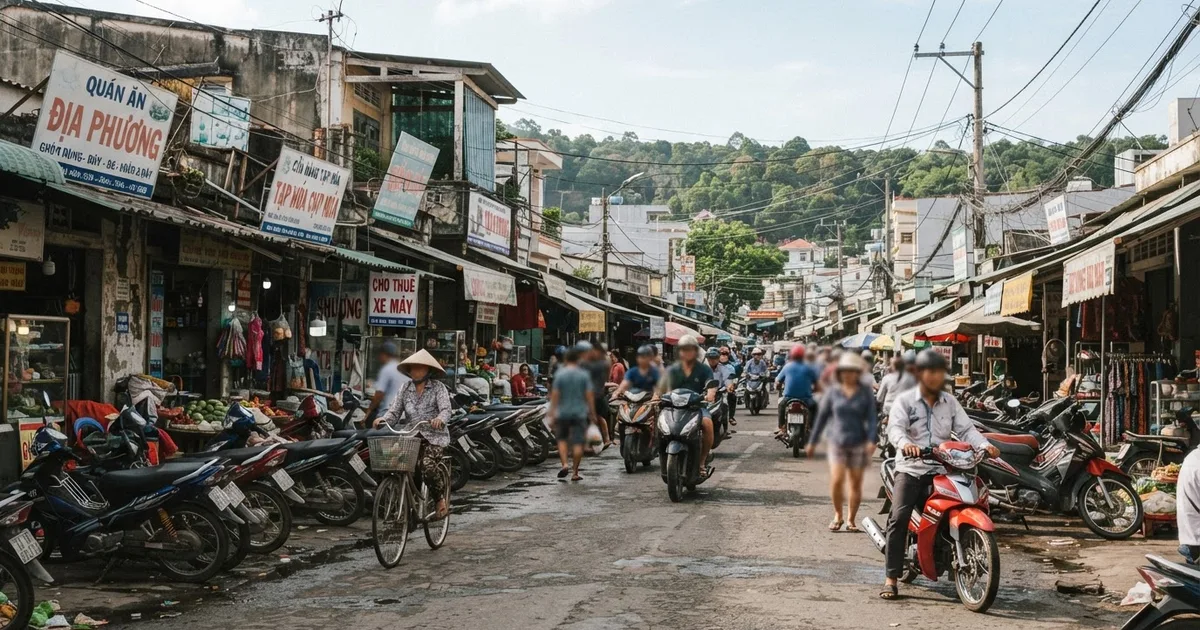
Yes — Phu Quoc is safe for solo female travelers by Southeast Asian standards. Safety guides rate the island "low risk" for women in 2026, violent crime against tourists is rare to the point of being nearly nonexistent, and resorts, restaurants, beaches and main tourist areas are described as comfortable for women on their own. The dangers that actually put visitors in hospital are ordinary ones: scooter accidents, fierce tropical sun, jellyfish in season and the occasional overcharged taxi fare.
How Safe Is Phu Quoc for a Woman Traveling Alone in 2026?
Short answer: safer than most first-time visitors expect. TravelSafe Abroad's 2026 Phu Quoc page rates women travelers at low risk, and Casino Corona's 2026 overview ranks the island as one of Vietnam's most secure destinations for solo female travelers. VinWonders, which operates the island's biggest theme park, likewise describes Phu Quoc as generally safe for solo travelers, including women. These are not marketing claims — they reflect the island's reality as a resort-driven destination where the local economy depends almost entirely on tourism.
One honest caveat: Phu Quoc is what researchers call "data-limited" for crime statistics — Day Trips Vietnam notes that hard numbers are thin — but the qualitative picture from long-stay visitors is strikingly consistent. NomadList users describe the island as extremely safe, and Vietnam Tourism's official guidance is that Phu Quoc is generally safe, with the single warning to avoid walking alone late at night in deserted areas. Violent crime against tourists is rare or close to nonexistent.
Violent crime
Very low. Attacks on tourists are rare to the point of being nearly nonexistent on the island.
Solo-woman comfort
High. Resorts, restaurants, beaches and main tourist areas are described as comfortable for women alone.
Petty theft
Occasional in crowded areas — night markets, ferry piers, bus stops. Normal precautions apply.
Night transport
Fine with Grab or trusted taxis; avoid unlit roads and deserted beaches after dark.
Healthcare
Limited to one international-tier hospital (Vinmec Phu Quoc). Insurance is a must.
So "low risk" does not mean "zero risk." The two situations where solo women most often feel uneasy are walking on a dark, empty beach after 10 p.m. and negotiating with taxi drivers at the ferry port — both completely avoidable, as the sections below explain.
The Risks That Actually Matter (Hint: It's Not Crime)
Ask anyone who works in tourism on the island — a hotel manager, a rental shop owner, a dive instructor — and they will tell you the same thing: traffic is the main risk for visitors on Phu Quoc. Scooter accidents, not theft or assault, are what send travelers to the clinic. The island's roads are quiet by Vietnamese standards, but sand on the corners, sudden downpours, stray dogs and left turns across fast traffic catch people out every single week.
The other recurring problems are environmental. Strong UV exposure burns fair skin in under 30 minutes around midday, jellyfish drift close to shore in some months, and food or water hygiene causes the occasional stomach upset. Here is how the real risk list stacks up:
| Risk | How likely? | How to reduce it |
|---|---|---|
| Scooter / traffic accident | The most common cause of serious traveler injury | Wear a real helmet, ride sober, keep to around 40 km/h, avoid riding at night and in heavy rain |
| Sunburn and heat exhaustion | Very likely for fair skin without protection | SPF 50, reapply after swimming, avoid midday sun, drink more water than you think you need |
| Jellyfish stings | Seasonal; some months bring them close to shore | Swim at patrolled or busy beaches, don't touch stranded jellyfish, rinse stings with seawater not fresh water |
| Petty theft | Occasional in crowded areas | Keep your bag zipped and in front of you at night markets; never leave phones on beach towels |
| Food / water safety | Occasional stomach upsets | Eat at busy places with high turnover, drink bottled or filtered water, go easy on ice from dubious stalls |
| Violent crime | Rare or close to nonexistent | Normal city sense: avoid deserted areas late at night, per Vietnam Tourism's advice |
Notice what is missing from that table: any category of crime specifically targeting women. Solo women on Phu Quoc face essentially the same risk profile as solo men — plus, realistically, a slightly higher chance of unwanted attention or an inflated taxi fare. Both are annoyances, not dangers, and both are handled with the tactics below.
Getting Around Safely: Grab, Taxis and Rental Scooters
Good news first: Grab works on Phu Quoc. That single fact solves most solo-female transport anxiety, because the app gives you a fixed price, a recorded driver identity and a route you can follow on your own phone map. Download it before you arrive and set up payment (cash works fine) at your hotel Wi-Fi.
The one place to stay alert is the ferry and cruise port, where the classic scam is simple overcharging on taxis. Go2 Vietnam's local guidance lists port taxi overcharging among the island's main tourist annoyances. The fix is easy: walk a few minutes past the terminal gates to the main road and order a Grab there, or agree on a firm price before getting into any meter-less car. A ride from the port to Duong Dong town should cost a modest few dollars — if a driver quotes ten times that, smile and walk on.
Scooters deserve a section of their own because riding one is both the best and the most dangerous thing you can do here. If you rent one:
- Inspect the brakes and tire tread before riding away, and photograph all existing damage.
- Wear the full-face or at minimum a proper strapped helmet — not the loose "cap" some shops hand out.
- Never ride at night on unlit roads: Fast Track Vietnam notes road lighting is inconsistent outside resort zones after dark.
- Never ride after drinking. The beach-bar-to-hotel ride feels short; it is where accidents happen.
- If you have never ridden a scooter before, Phu Quoc is not the place to learn. Use Grab — a full week of Grab rides around the island costs far less than one hospital visit.
After dark, the general rule from Vietnam Tourism applies: avoid walking alone late at night in deserted areas. On Phu Quoc that means dark beach stretches and empty coastal roads. Stick to lit streets around Duong Dong, the night market zone and your resort's own area, and take a Grab for anything longer than a 10-minute walk.
Which Areas Feel Safest for Solo Women to Stay?
Phu Quoc is administratively part of An Giang province (formerly Kien Giang), and the island's tourism is concentrated in a handful of zones that all feel safe for a woman on her own:
| Area | Vibe for solo women | Best for |
|---|---|---|
| Long Beach (Bai Truong) | Resort-lined, lit, busy with tourists; beach bars close by midnight | First-timers, sunset lovers, easy socializing |
| Duong Dong town | The island's living center: night market, harbor, restaurants, Grab everywhere | Budget stays, street food, being close to everything |
| Ong Lang | Quieter boutique-beach strip, relaxed and low-key | Rest, yoga, digital detox |
| Sao Beach / south-east | Beautiful but spread out; quiet after sunset | Day trips — less ideal as a solo base after dark |
| North island (national park) | Wild and remote; minimal lighting and services | Daytime hikes only, never solo night stays |
Resorts, restaurants, beaches and main tourist areas are described by safety guides as comfortable for solo women — you can eat alone, swim alone and join a boat tour alone without anyone batting an eye. Vietnamese hospitality toward women traveling alone is genuinely warm; guesthouse owners frequently check in on solo guests and help book tours without any expectation beyond a good review.
Who Phu Quoc is less suited to as a solo destination: women seeking a big nightlife-and-party scene (the island winds down early compared with Bangkok or Ho Chi Minh City), travelers who want walkable dense city streets at midnight (Duong Dong rolls up its sidewalks by around 10-11 p.m.), and anyone unwilling to ride a scooter or pay for Grab rides, because distances between attractions are real. If you want a beach-island reset with reading, swimming and day tours, it fits beautifully.
Beach and Swimming Safety for Solo Swimmers
Swimming alone deserves more caution than walking alone. Phu Quoc's beaches are calm for most of the year, but three things matter:
Jellyfish. They appear in some months, drifting close to shore, and are one of the island's listed main risks for visitors. Swim where other people swim, avoid dawn and dusk sessions when jellies feed near the surface, and if you are stung, rinse with seawater (not fresh water, which triggers more stinging cells), remove tentacles with the edge of a card, and get to a pharmacy or Vinmec if the reaction spreads.
Currents and weather. The sea on the west coast (Long Beach) is usually glassy in the November-March dry season, while the east coast can be windier. During the October-November typhoon window, seas can turn rough with little warning — if flags are up or locals are out of the water, follow them.
Isolation. A twisted ankle on a deserted 200-meter stretch of Sao Beach at 5 p.m. is an inconvenience; the same at 9 p.m. is a real problem. Time your solo beach sessions for daylight and busy hours, and keep your phone dry in a waterproof pouch.
Health, Hospitals and Insurance: What If Something Goes Wrong?
Phu Quoc has exactly one international-tier hospital: Vinmec Phu Quoc, on the north-west coast near the major resorts. It handles the standard traveler cases — scooter accidents, stitches, dehydration, jellyfish reactions, food poisoning — competently and with English-speaking staff. Anything serious beyond its capacity means a medical evacuation by air to Ho Chi Minh City or Can Tho, which is exactly why travel insurance that covers Vietnam and scooter riding is non-negotiable for a solo traveler. A basic hospitalization plus repatriation can run into five figures in USD without it.
Pharmacies in Duong Dong stock the usual essentials (oral rehydration salts, antihistamines, antiseptic), and small clinics handle minor issues. For anything worse, go straight to Vinmec rather than gambling on a local clinic. Save these numbers before you arrive:
- Vinmec Phu Quoc - the island's only international-tier hospital; save its address and phone in your phone and on paper.
- Tourist police / general emergency - 113 (police), 115 (ambulance) from any Vietnamese SIM.
- Your embassy - register your trip with your foreign ministry's traveler program if your country offers one.
- Insurance hotline - photograph your policy number and the 24-hour claims line before you land.
Food safety follows normal tropical rules: eat where queues of locals are long, favor freshly cooked noodle bowls and seafood restaurants with tanks you can point at, and peel your own fruit. Bottled water is cheap and sold everywhere — do not drink tap water anywhere on the island.
A Practical Solo Female Safety Checklist for Phu Quoc
Everything above, compressed into a list you can screenshot:
- Install and set up Grab before arrival; it works across the island and removes price haggling.
- Book your first night in Long Beach or Duong Dong so your arrival is into a lit, busy area.
- Wear a real helmet, ride sober, and avoid night riding on unlit roads outside resort zones.
- Take Grab or a trusted taxi after dark; skip isolated beach walks late at night (TravelSafe Abroad and Vietnam Tourism both advise this).
- At the ferry port, walk past the taxi touts and order a Grab from the main road to avoid overcharging.
- Travel between November and March if possible; avoid the October-November typhoon window for a first solo trip.
- Buy insurance that covers scooters and medical evacuation; Vinmec is the only international hospital on the island.
- Keep valuables zipped and in front of you at the night market and other crowded areas.
- SPF 50, reapply constantly, and hydrate — the UV here is stronger than most visitors expect.
- Share your daily plan with someone: your hotel, a friend back home, or a live location share.
Follow even half of this list and your realistic risk on Phu Quoc drops to roughly the level of an ordinary beach holiday at home — which is exactly what the "low risk" rating reflects.
Frequently Asked Questions
Is Phu Quoc safe for a woman to travel alone?
Yes. TravelSafe Abroad rates women travelers low risk on Phu Quoc in 2026, and Casino Corona ranks it among Vietnam's most secure destinations for solo female travelers. Violent crime against tourists is rare or close to nonexistent; the main risks are traffic accidents, sunburn, jellyfish in season and occasional petty theft in crowded areas.
Can I walk alone at night on Phu Quoc?
In lit, busy zones like Duong Dong town, the night market area and resort strips, yes. Vietnam Tourism and TravelSafe Abroad both advise avoiding deserted areas and isolated beach walks late at night. Road lighting is inconsistent outside resort zones after dark, so take a Grab for anything beyond a short, well-lit walk.
Does Grab work on Phu Quoc?
Yes, Grab operates across the island, including rides between the airport, ferry port, Duong Dong and the main beaches. It is the easiest way for a solo traveler to avoid the taxi overcharging that sometimes happens at the port — just walk past the touts and book through the app with a fixed price.
What is the biggest danger on Phu Quoc for tourists?
Road traffic. Scooter accidents are the main cause of serious injury to visitors — far ahead of any crime. Wear a proper helmet, ride sober, keep speeds moderate, and avoid riding at night or in heavy rain. If you have never ridden a scooter, use Grab instead; a week of rides costs far less than one hospital visit.
Which hospital should I go to on Phu Quoc?
Vinmec Phu Quoc is the island's only international-tier hospital, located near the main north-west resort zone. It handles scooter injuries, stitches, dehydration and jellyfish stings with English-speaking staff. Serious cases may require air evacuation to Ho Chi Minh City, which is why travel insurance covering Vietnam is essential for solo travelers.
When is the worst time to visit Phu Quoc solo?
October and November, when typhoons are a listed natural hazard and seas can turn rough. The calmest window for a first solo trip is the November-to-March dry season, with calm west-coast seas, lower humidity and all boat tours running on normal schedules.
Is it safe to swim alone on Phu Quoc beaches?
Swim in daylight, where other people are swimming. Jellyfish come close to shore in some months, and rough seas can appear during the October-November typhoon season. Avoid dawn and dusk swims when jellies feed near the surface, and never swim alone at a deserted beach after dark.
Do I need to worry about theft as a solo woman?
Petty theft can happen in crowded areas — night markets, the ferry pier, bus stops — so normal precautions apply: zipped bags worn in front, phones never left on beach towels, and valuables in your hotel safe. There is no pattern of crime specifically targeting women; solo women face essentially the same risk profile as solo men.
Traveling solo to Phu Quoc and want a helmet that actually fits, a scooter checked before you ride, or a trusted boat tour with a female-friendly crew? Message Sabrina Rental — we're a local team on the island and happy to help you plan a safe, smooth trip.
Contact Sabrina Rental