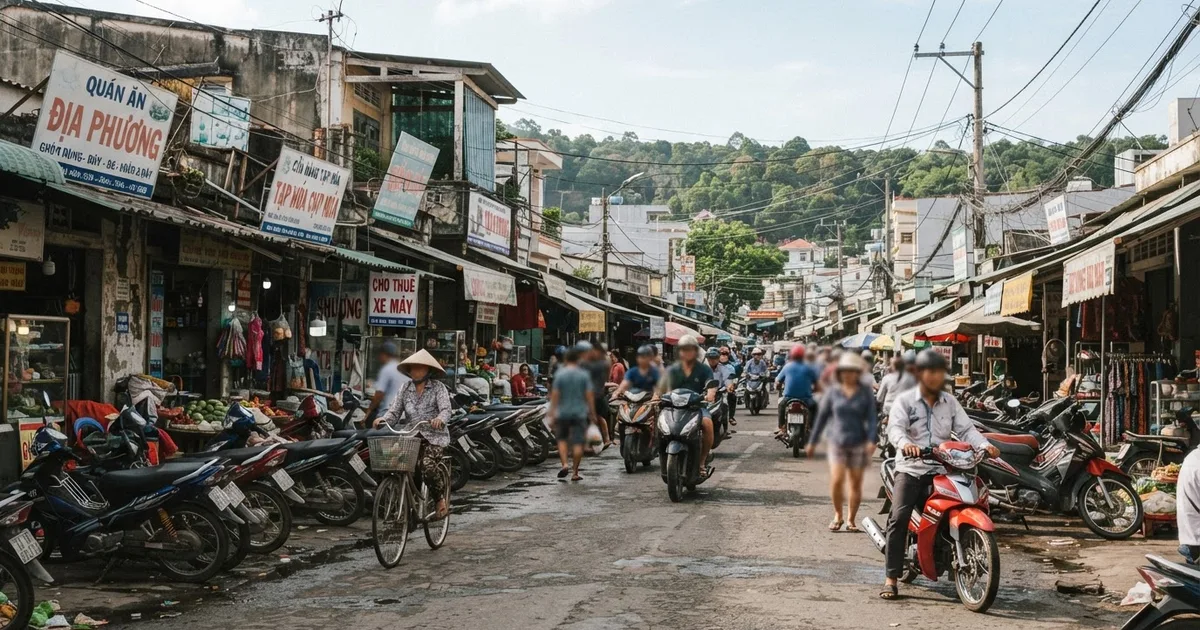
Phu Quoc is a genuinely safe destination: violent crime against tourists is close to nonexistent, petty theft is rare, and the island is rated among Vietnam's safer spots. The real problem is overcharging, not danger. Scam activity here is rated high in scam-tracking databases, and the single most common incident is the unofficial airport taxi - touts quote $15-25 for a ride that Grab or an official Mai Linh taxi does for $5-7.
Is Phu Quoc Safe? The Honest Answer
Phu Quoc is one of Vietnam's safest destinations. Violent crime against visitors is rare to the point of being close to nonexistent, the atmosphere is relaxed and welcoming, and the island's economy depends heavily on tourism - a strong incentive for locals to keep visitors happy and looked after.
That does not mean nothing happens. In country-wide safety assessments, the two risks specifically listed for Phu Quoc are beach belongings and scooter rental disputes - not muggings, not assault. Petty theft can occur in crowded places such as the Duong Dong Night Market or the lanes behind Long Beach on a busy night, but it is uncommon, and ordinary precautions (zip your bag, keep your phone out of your hand, leave the laptop in the safe) deal with it.
The distinction worth holding in your head is this: your body is very likely fine, your wallet and your rental deposit are not. Scam-tracking databases rate scam activity on Phu Quoc as high, and the three most commonly reported specific risks are currency note switching, airport security item theft, and the night market seafood price flip. Vietnam-wide advisories add that petty crime is common in popular tourist locations - Phu Quoc included - which is exactly the pattern you would expect from a wealthy resort island with heavy seasonal turnover.
Quick reality check: in a typical week on Phu Quoc, a visitor is far more likely to lose $10 to an inflated taxi fare or a misread banknote than to lose anything at all to a violent incident. Budget your caution accordingly - spend it on fares, notes and rental paperwork rather than on worrying about walking home at night.
The Phu Quoc Airport Taxi Scam: What You Will Be Quoted vs What You Should Pay
Phu Quoc International Airport (PQC) sits roughly 10 km from Duong Dong town and Long Beach. It has a proper taxi rank with official Mai Linh vehicles, a Grab pickup area, and - outside the doors - a persistent crowd of unofficial drivers who approach you by name board, by hand on your luggage trolley, or simply by asking where you are staying.
The pattern is always the same. You are quoted a flat fare in US dollars: $15, $20, sometimes $25 for a short hop down to Long Beach. The meter is never used, the price is never written down, and if you push back you will be told that Grab does not work on the island, that your hotel is much further than you think, or that the official taxis have already gone for the night. None of that is true. Grab operates across Phu Quoc and the official rank runs all day and all night.
| Route from Phu Quoc airport | Typical unofficial quote | Grab / official Mai Linh | Journey time |
|---|---|---|---|
| Duong Dong town centre | $15-20 | $5-7 (approx. 130,000-180,000 VND) | 15-20 min |
| Long Beach / Bai Truong resorts | $15-20 | $5-8 | 20-25 min |
| Ong Lang / Cua Can | $18-22 | $7-9 | 25-30 min |
| Sao Beach / An Thoi | $22-25 | $10-13 | 35-45 min |
| Vinpearl / Ganh Dau (north island) | $25 or more | $15-18 | 45-55 min |
Grab fares move with demand, weather and time of day, and a late-night or stormy arrival will push the price toward the top of the range. Treat those figures as a band, not a guarantee. What matters is the gap: the difference between a tout and a booked ride is roughly $10 on every single trip. Across a two-week holiday with a few airport runs and evening trips into town, that is a meaningful chunk of spending money.
If you take nothing else from this page: walk past the touts. Pre-book a hotel pickup if you land late, open Grab if you have data, or join the official Mai Linh queue. Sort out an eSIM or a local SIM card inside the terminal before you walk out of arrivals, so you are not standing in the car park with no internet and no leverage.
The Scams Most Reported on Phu Quoc, and How Each One Works
1. Currency note switching
This is the single most commonly reported scam on the island, and it works because Vietnam's banknotes are genuinely easy to confuse. The 20,000 VND note is worth about $0.80; the 500,000 VND note is worth about $20; both carry the same portrait and are similar in size. The switch happens in two ways. A vendor counts your change quickly and hands you a 20,000 note where a 200,000 is owed, or a driver takes your 500,000 and hands it back claiming you only gave 100,000.
The defence is simple and takes ten seconds: take the change into your own hand and count it note by note before you walk away, every time, even when it feels rude. Learn the denominations before you arrive so a 20,000 does not look like a 200,000.
| Banknote | Approximate value | What it typically buys |
|---|---|---|
| 500,000 VND | $20 | A mid-range hotel night or a large restaurant bill |
| 200,000 VND | $8 | Dinner for two at a local restaurant |
| 100,000 VND | $4 | A taxi across Duong Dong |
| 50,000 VND | $2 | Street food for two |
| 20,000 VND | $0.80 | A bottle of water or a coffee |
| 10,000 VND | $0.40 | A small snack |
Rough working rate: about 25,000 VND to $1. Recheck it before you travel, because it moves.
2. The night market seafood price flip
At the Duong Dong Night Market, seafood is often priced by weight, and the unit is where the trick lives. A stall quotes 300,000 VND per kilogram when you ask, then bills per 100 grams at the end. A 600 g snapper that should cost 180,000 VND (about $7) lands on the bill at 1,800,000 VND - roughly $72. A related version is weighing the fish after it has been cooked and glazed with sauce, which quietly adds 20-30% to the weight.
Before anything goes on the grill, agree a total price for the whole dish - not a rate - and write it on a calculator or a piece of paper so you both see the same number. Watch the scale, confirm whether the price is per kilo or per 100 grams, and confirm whether the total includes the cooking charge.
3. Fake tour operators and fees added after booking
Shared four-island snorkelling day trips on Phu Quoc typically run $20-45 per person, and private boat charters $120-200. The scam version is a tour sold on the beach or in a lobby by someone with no licence, no insurance and no fixed boat: you pay a deposit, the vessel is smaller than the photos, the snorkelling stop is a patch of dead coral, and the promised lunch is a plate of rice.
Even legitimate operators sometimes bolt fees on after you have already committed - a national park entry charge of $2-3, snorkel mask rental at $2, a fuel surcharge, or a tip announced on the boat as mandatory. Ask for the all-inclusive total before you pay: equipment, entrance fees, pickup, lunch and taxes. Get it in a written message so there is a record.
4. Gem and goods scams
Phu Quoc has real pearl farms and pearl shopping is a legitimate local industry. The scam is the hard sell: a government gem centre, a factory-direct price, a promise that you can resell the pearls at a profit once you are home. Pearls bought on holiday are almost never resellable anywhere near the price paid. Buy them because you like them, at a price you would be happy to pay for jewellery - never as an investment, and never under time pressure from a guide who is earning a commission on your purchase.
5. Accommodation and booking problems
Vietnamese authorities advise travellers to book accommodation only through reputable platforms and to confirm room availability directly with the hotel before departure. That advice exists for a reason. Phu Quoc's resort construction boom means some listings are sold through agents who never confirm with the property, and peak season - December to March, plus Vietnamese public holidays - genuinely sells out. A five-minute confirmation message to the hotel before you fly prevents the worst-case arrival: midnight, paid booking, no room.
Motorbike Rental Disputes: The Biggest Money Risk on the Island
Renting a scooter is the most popular way to explore Phu Quoc, and rental disputes are the most common money problem visitors face. The standard play is a damage claim. You return the bike, the shop inspects it, and finds a scratch, a cracked mirror or a scuffed exhaust panel that was already there - then keeps part or all of your deposit. Without evidence recorded before the rental, you have no way to argue.
- Photograph the bike from all four sides, plus close-ups of both mirrors, the exhaust, the front and rear panels, both wheels and the underside of the floorboard.
- Record a slow 60-second video walking around the bike, finishing with the odometer and fuel gauge clearly visible in frame.
- Point out existing damage to the shop and ask them to note it on the rental sheet before you sign.
- Test the brakes, lights, horn and tyre tread before you ride off - a bike with a weak front brake is a crash risk, not just a paperwork problem.
- Never leave your passport as a deposit. Offer cash instead, typically $100-200, and get a written receipt with the shop's name and phone number.
- Get the daily rate and the return time in writing. Expect $5-8 per day for a semi-automatic, $8-12 for a Honda Vision-style scooter, and $12-20 for a larger motorbike.
- Agree the fuel rule up front - returned full or returned empty. A full tank costs roughly 100,000-150,000 VND ($4-6) and petrol stations are common along the main roads.
Separately, check your own legal position before you ride. Vietnam requires a Vietnamese driving licence or a 1968 International Driving Permit carrying the correct motorcycle category (A1 or A2). Riding without one voids any insurance you have bought, and police checkpoints on the island's main roads do stop foreign riders, with fines that run into the millions of dong. If you do not hold the right paperwork, ride as a passenger or use Grab instead - it is far cheaper than a hospital bill.
The Real Physical Risks: Traffic, Jellyfish, Sun and Water
Traffic is the number one genuine risk for visitors to Phu Quoc, ahead of any crime. The island's main north-south road carries a mix of tour buses, container trucks, scooters and pedestrians, and right of way is negotiated rather than signalled. Most visitor injuries come from scooter accidents: gravel on a corner, a dog running out, a slick road after rain, or one beer too many at sunset.
Practical rules that actually reduce risk: wear a proper helmet rather than the thin cap many rental shops hand out, ride in daylight only until you know the roads, expect overtaking on both sides, avoid the main highway at dusk when trucks head south, and never drink and ride. If you are not a confident rider at home, Phu Quoc is not the place to learn. The roads are quieter than Hanoi or Ho Chi Minh City, but they are not empty.
Jellyfish appear in Phu Quoc's waters seasonally, most often in the warmer months and especially after heavy rain, when they are pushed closer to shore. Most are harmless and cause only local pain, but box jellyfish do occur in Vietnamese waters and their sting can be serious. If you are stung, rinse with vinegar rather than fresh water - fresh water can trigger more stinging cells - remove any remaining tentacles with a gloved hand or the edge of a card, and get medical help for anything beyond localised pain. Ask at your hotel about current conditions; locals usually know which beaches have had recent sightings.
Sun exposure is underestimated here. Phu Quoc sits at about 10 degrees north, and the UV index regularly reaches 11-12 between 11am and 3pm - the top of the scale. Sunburn happens fast, even under cloud cover. Reef-safe sunscreen, a rash vest for snorkelling and shade in the middle of the day are not optional extras.
Food and water. Tap water in Vietnam is not considered safe to drink anywhere, Phu Quoc included - this is a country-wide issue, not a small-island one. Drink bottled or filtered water, use it for brushing your teeth if you are sensitive, and be cautious with ice from small roadside stalls; hotels and established restaurants generally use filtered-water ice. Street food is one of the best parts of the island, but eat where locals are eating, at places with high turnover, and go easy on raw seafood and uncooked herbs during your first few days while your stomach adjusts.
Beach belongings are one of the two risks specifically named for Phu Quoc in country-wide assessments. Bags left on the sand while you swim are the classic target - opportunistic rather than violent. Carry a waterproof pouch for phone, cash and cards, or leave valuables in the hotel safe and take only what you need for the day.
Which Transport Option Fits You - and Which One Does Not
Phu Quoc has more transport options than most Vietnamese islands, and the right choice depends on your licence, your luggage and your arrival time. Here is who each option genuinely suits, and who it is a poor fit for.
Pre-arranged hotel pickup
Best for: late-night arrivals, families, first-time visitors and anyone travelling with a lot of luggage. Typically $10-20, sometimes free at resorts.
Less suited to: budget solo travellers who would rather keep the $10, and anyone staying in a private villa with no front desk to arrange it.
Grab
Best for: anyone with a working SIM or eSIM and mobile data. Cars and motorbike taxis, cash payment, price locked in the app before you accept the ride.
Less suited to: travellers who land with no data plan - you need to sort a SIM or eSIM inside the terminal before you exit arrivals.
Official Mai Linh taxi
Best for: travellers without a smartphone, and anyone who prefers a metered car from a marked rank. Reliable day and night.
Less suited to: nobody in particular - but confirm the meter is running and that the driver is from the official rank, not a lookalike parked 20 metres away.
Unofficial airport tout
Best for: nobody. Flat fares of $15-25 for a $5-7 trip, no meter, no receipt, no recourse if anything goes wrong.
Less suited to: everyone - and especially first-time visitors who do not yet know what a fair fare on the island looks like.
Rented scooter
Best for: confident riders holding a 1968 IDP with the correct motorcycle category, staying a week or more. $5-20 per day depending on the bike.
Less suited to: first-time riders, anyone without the correct licence (insurance void, fines possible), families with young children, and anyone planning to ride after dark or after drinks.
Xe om (motorbike taxi)
Best for: short hops around Duong Dong, solo travellers, and beating traffic at busy times.
Less suited to: airport runs with luggage, groups of more than one, or long cross-island trips in the rain.
How to Report a Scam or a Problem on Phu Quoc
Phu Quoc's authorities take tourist complaints seriously enough to publish direct lines. Two numbers are worth saving in your phone before you arrive:
- Tourism issues - problems with tours, hotels, guides or operators: 0948.864.606
- Price gouging and commercial fraud - overcharging, refusal to honour an agreed price, fake goods: 0916.990.633
Vietnam's national emergency numbers also work on the island: 113 for police, 114 for fire and 115 for ambulance.
In practice, most scams are small enough that reporting feels like more trouble than it is worth - which is exactly why they persist. A few habits change that. Keep receipts and photograph the taxi plate or the Grab trip record. Screenshot any tour booking conversation. If a shop or driver refuses to honour an agreed price, say so calmly and call the commercial fraud line. For motorbike deposit disputes, the video you recorded before renting is your evidence, and it is usually enough on its own.
And if you simply want a second opinion on whether a price is fair, ask a local business you already trust. Hotels, dive shops and long-established rental outfits on the island all know what a taxi to Sao Beach should cost, what a fair day rate for a scooter is, and which night market stalls weigh honestly.
Frequently Asked Questions
Is Phu Quoc safe for tourists?
Yes. Phu Quoc is considered one of Vietnam's safer destinations, with low crime, rare violent incidents against visitors and a welcoming local atmosphere. The realistic risks are overcharging scams, scooter accidents, seasonal jellyfish, strong UV and food or water hygiene. Petty theft is rare but can happen in crowded areas such as the night market, so normal precautions are enough.
How much should a taxi from Phu Quoc airport cost?
A ride from Phu Quoc International Airport to Duong Dong town or Long Beach should cost about $5-7 (roughly 130,000-180,000 VND) with Grab or an official Mai Linh taxi. Unofficial touts outside arrivals routinely quote $15-25 for the same trip. Longer runs to Sao Beach or the north island cost more, but never $25 for a 15-minute ride.
Does Grab work on Phu Quoc?
Yes. Grab operates across Phu Quoc for both cars and motorbike taxis, and prices are fixed in the app before you accept the ride. Payment is normally cash, so keep small notes ready. The one catch is connectivity - arrange an eSIM or buy a local SIM inside the airport terminal, because the touts outside rely on you having no data.
Do I need an international driving permit to rent a scooter on Phu Quoc?
Legally, yes. Vietnam requires a Vietnamese licence or a 1968 International Driving Permit with the correct motorcycle category (A1 or A2). Riding without one voids your travel insurance if you crash, and police checkpoints on the main roads do stop foreign riders, with fines running into the millions of dong. If you do not hold the paperwork, use Grab or ride as a passenger.
Are there jellyfish on Phu Quoc beaches?
Jellyfish appear seasonally, most often during the warmer months and especially after heavy rain, when they are pushed closer to shore. Most cause only local pain, but box jellyfish do occur in Vietnamese waters. Treat stings with vinegar rather than fresh water, remove tentacles with a card or gloved hand, and seek medical help for anything severe. Ask your hotel about current conditions.
Is tap water safe to drink on Phu Quoc?
No. Tap water in Vietnam is not considered safe to drink anywhere, including Phu Quoc and the major cities. Stick to bottled or filtered water, use bottled water for brushing your teeth if you are sensitive, and be cautious with ice from small roadside stalls. Hotels and established restaurants generally use filtered-water ice, which is fine.
Can I leave my passport as a motorbike rental deposit?
It is strongly advised not to. Some rental shops ask to hold your passport as security, but that leaves you with no ID and no leverage if a dispute arises. Offer a cash deposit instead, typically $100-200, and insist on a written receipt showing the shop name, phone number, bike details and agreed return time. Photograph the bike before you ride off.
What should I do if I get scammed on Phu Quoc?
Report tourism-related problems, including tour, hotel and guide issues, to 0948.864.606. Report price gouging or commercial fraud to 0916.990.633. Keep evidence: taxi plates, Grab trip records, receipts and screenshots of booking conversations. For motorbike deposit disputes, the photos and video you took before renting are usually enough to resolve it.
Planning your trip and want straight answers on fares, scooter hire, boat trips or which beaches are safe right now? Sabrina Rental is based on Phu Quoc and can arrange airport pickup, well-maintained motorbikes with transparent deposits, and island tours with no added fees.
Ask Sabrina Rental