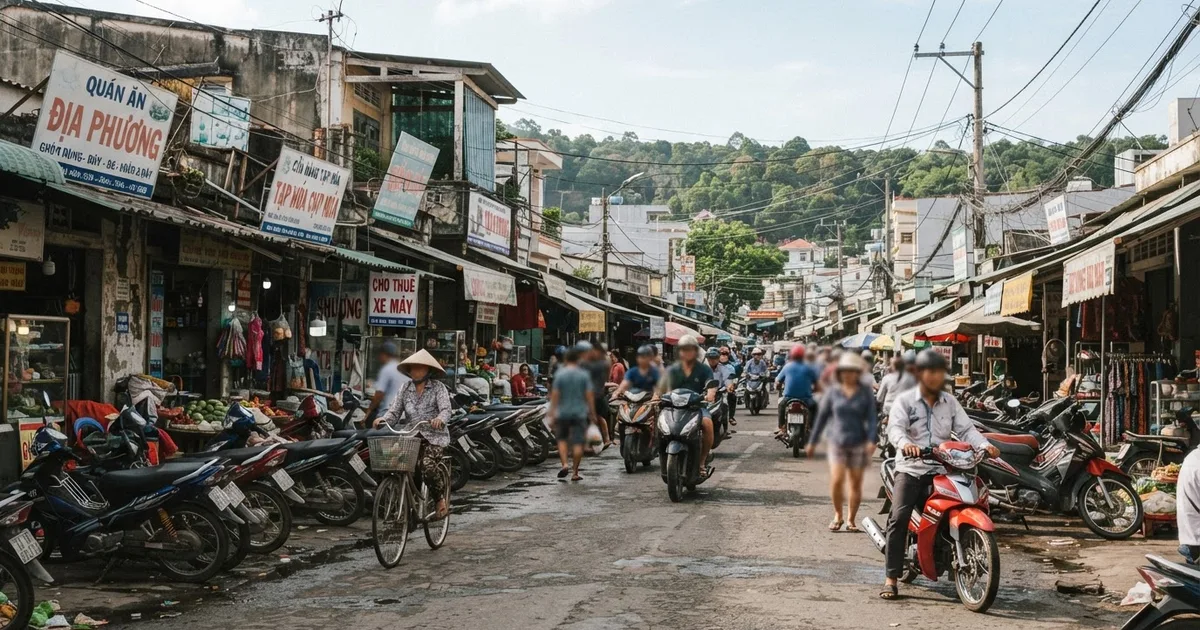
If you have an emergency in Phu Quoc, dial 115 for an ambulance, 113 for the police and 114 for the fire brigade -- all free from any Vietnamese phone. The island's main 24/7 private emergency facility is Vinmec Phu Quoc Hospital in the Bai Dai area (emergency line 02973 98 55 11, hotline 0297 3985 588), and the Tourist Police can be reached directly on 0983 949 969. Phu Quoc is one of Vietnam's safest islands -- violent crime against visitors is rare -- so the emergency you are statistically most likely to face is a scooter accident or a health issue, not a crime.
The Emergency Numbers to Save Before You Arrive
Vietnam runs one national emergency system, and it works on Phu Quoc exactly as it does in Hanoi or Ho Chi Minh City: 115 for an ambulance, 113 for the police and 114 for the fire brigade. All three are free to dial from any Vietnamese SIM card or landline, all three are staffed around the clock, and none of them need credit on a prepaid SIM to connect. Save them in your phone before you land -- in the first stressful minutes of an emergency, you do not want to be scrolling through a blog.
| Service | Number | Notes |
|---|---|---|
| Ambulance (national) | 115 | Free, 24/7, works from any Vietnamese phone |
| Police (national) | 113 | Free, 24/7 -- accidents, crime, disputes |
| Fire brigade (national) | 114 | Free, 24/7 |
| Vinmec Phu Quoc emergency | 02973 98 55 11 | 24/7 emergency resuscitation department |
| Vinmec Phu Quoc hotline | 0297 3985 588 / 1800 1500 | General enquiries and ambulance dispatch |
| Local police station | (+84) 297 3846 051 | Add +84 and drop the leading zero from abroad |
| Fire brigade (local) | (+84) 297 3848 054 | Island fire service line |
| Hospital (local line) | (+84) 297 3846 074 | Hospital contact from the official tourism guide |
| Tourist Police | 0983 949 969 | First call for problems involving foreign visitors |
One nuance worth knowing: when you call 115 on Phu Quoc, the ambulance that responds is typically dispatched through the Vinmec Phu Quoc Emergency Medical Services Center -- the island's best-equipped rescue service. Vinmec accepts emergency calls directly on 115 or its toll-free line 1800 1500, and the center operates 24/24, including Saturdays, Sundays, public holidays and Tet. Its base is in the Bai Dai area of Phu Quoc Special Zone, An Giang Province, on the island's northwest coast -- which is why ambulance response times to far-southern An Thoi beaches can stretch toward 30 minutes or more.
Tip: From a foreign number, drop the leading zero and add +84 -- for example +84 297 3985 588 for Vinmec's hotline. And keep your hotel's contact information saved where you can find it in seconds: reception staff answer emergency calls at all hours and can translate, guide an ambulance to the gate, or phone the police on your behalf.
How Safe Is Phu Quoc, Really?
Straight answer: very safe by most standards. Phu Quoc is considered one of Vietnam's safer destinations, with a relaxing atmosphere, friendly locals and crime levels that surprise most first-time visitors. Violent crime against tourists is rare -- close to nonexistent -- and the island's economy runs on tourism, so visitors are treated well. At the national level, Vietnam carries a US State Department advisory describing the country as generally safe for travelers, with the standard caveat that petty crime such as bag-snatching and phone theft is common in popular tourist locations.
That caveat deserves proportion. The realistic threat list on Phu Quoc looks like this:
- Traffic. The number-one cause of serious harm to visitors, by a wide margin: unfamiliar scooters, sandy corners, unlit roads after dark and local driving habits make the roads the island's real hazard.
- Sun and heat. Near-equatorial UV burns fair skin in 15 minutes, and heat exhaustion is common on long beach days.
- Jellyfish. Present in some months, usually with seasonal winds; most stings are minor but they do happen.
- Food and water. Tap water is unsafe to drink anywhere in Vietnam, and traveler stomach bugs are the most common minor illness.
- Petty theft. Possible in crowded areas -- night markets, ferry piers, busy beaches -- but opportunistic rather than organized.
In practice, this means the emergency playbook you need on Phu Quoc is a medical-and-roads playbook, not a personal-security one. It matters most for independent travelers riding scooters, families with small children, and anyone planning boat trips or remote beach days. If you are staying inside a full-service resort with on-call medical staff and never leave by scooter, you are far less likely to need any of this beyond the three national numbers themselves.
Medical Emergencies: Vinmec Phu Quoc Hospital and Your Options
For anything serious, head to -- or call -- Vinmec Phu Quoc Hospital in the Bai Dai Area, Phu Quoc Special Zone, An Giang Province. Its emergency resuscitation department operates 24 hours a day, 7 days a week, and the hospital's Emergency Medical Services Center answers calls 24/24, including Saturdays, Sundays, public holidays and Tet. Save both direct lines: the emergency number 02973 98 55 11 and the general hotline 0297 3985 588 (or toll-free 1800 1500).
Vinmec is a private international-standard hospital, which on Phu Quoc means English-speaking staff, modern imaging and laboratory facilities, and daily experience treating travelers -- from scooter injuries and jellyfish stings to food poisoning and dengue fever. The trade-off is cost: expect to pay out of pocket or trigger an insurance guarantee, so photograph your passport, insurance policy and payment card before you travel and keep the images accessible offline. The island's public hospital, reachable on (+84) 297 3846 074, handles emergencies at lower cost, but with fewer English speakers and more basic facilities -- a reasonable choice for minor injuries if you are budget-conscious and accompanied by a Vietnamese speaker.
Location matters in an emergency. Bai Dai sits in the island's northwest, close to the international airport and the northern resort strip, so Vinmec is roughly 10-15 minutes from the airport area and about 20-30 minutes from Duong Dong town. If you are staying in the far south around An Thoi, tell the dispatcher your exact resort name and beach -- it helps them quote a realistic arrival time and decide whether arranging a car or taxi transfer is faster than waiting for an ambulance to come to you.
Tip: Call first, then go. Phoning Vinmec's emergency line (02973 98 55 11) before you set off lets the resuscitation team prepare for your arrival, and the dispatcher can talk you through first aid on the way.
Traffic Accidents: The Island's Most Common Emergency
Ask any long-term resident what actually sends visitors to hospital on Phu Quoc and the answer is unanimous: scooters. Traffic is the main risk for visitors on this island -- sandy corners, unlit roads after dark, stray dogs, loose gravel, and driving on the right when muscle memory says left. Renting a scooter is genuinely the best way to see Phu Quoc, and it is also the single most common source of serious injury, so treat the machine with the same respect you would a rental car at home.
If you are in an accident, or first at the scene, the priorities are simple: move to safety if you can, call 115 for an ambulance if anyone is hurt, and call 113 for the police if there is any injury or dispute. Do not move someone with a suspected head, neck or back injury unless they are in immediate danger. And do not settle payment at the roadside, even if you believe you were at fault -- accidents involving injury in Vietnam are settled through the police and insurance, and a quick cash deal can leave you liable for far more later.
After a scooter accident, in order:
- Get off the road, switch on hazard lights, and warn oncoming traffic.
- Call 115 if anyone is injured; call 113 for the police.
- Call Vinmec on 02973 98 55 11 if you need an English-speaking hospital.
- Notify your rental company -- they must know, and good ones will help translate.
- Get a police report for any accident involving injury or third-party damage; your insurance claim depends on it.
- Photograph everything: both vehicles, the road, injuries, and license plates.
Prevention is worth more than any of the numbers above. Wear the helmet every single ride -- it is the law and the difference between a scare and a stretcher. Check that your license is valid for motorcycles in Vietnam before riding: many travel insurance policies void scooter-accident claims without one, which turns a modest hospital visit into a four-figure bill. And if you would not ride the road at home after two beers, do not ride it here.
Jellyfish, Sun and Stomach Bugs: Beach and Health Hazards
Jellyfish drift into Phu Quoc waters in certain months, and stings -- occasionally painful ones -- do happen, especially during the windy season. If you are stung, get out of the water, rinse the area with seawater (never fresh water, which can trigger more venom), remove any tentacles with tweezers or the edge of a card, and apply vinegar if available. Any sting accompanied by breathing difficulty, chest pain or widespread swelling is an immediate ambulance call: 115.
The sun is the hazard visitors underestimate most. Phu Quoc sits around 10 degrees north of the equator, and 15 minutes of midday exposure is enough to burn fair skin. Use SPF 50, reapply after swimming, and plan serious beach time before 11:00 and after 15:00. Heat exhaustion -- dizziness, nausea, headache after hours in the sun -- is treated with shade, water and cooling; if symptoms do not settle within an hour, call Vinmec's 24/7 line on 0297 3985 588.
Tap water in Vietnam is not considered safe to drink anywhere, including major cities -- and Phu Quoc is no exception. Drink sealed bottled water, use bottled water for brushing teeth if your stomach is sensitive, and be sensible with ice: established restaurants, hotels and cafes use filtered ice, while informal roadside stalls deserve more caution. Most traveler stomach bugs on the island are mild and pass in a day or two with rest and rehydration; persistent vomiting, high fever or signs of dehydration deserve a call to the hospital hotline.
Theft, Scams and When to Call the Tourist Police
Petty theft on Phu Quoc is not rampant, but it happens -- usually opportunistic bag-snatching or unattended-phone theft in crowded areas such as the night markets, ferry piers and busy beach strips. Normal precautions cover you completely: never leave phones or wallets on beach towels, keep bags zipped and in front of you in crowds, and use the hotel safe for passports and spare cash.
If something is stolen, call the Tourist Police on 0983 949 969 -- a dedicated unit used to dealing with foreign visitors -- or the local police station on (+84) 297 3846 051. For any insurance claim, including stolen electronics or a lost passport, you will need a stamped police report, so make the report in person the same day if possible. If your passport is gone, contact your embassy or consulate next; most can issue emergency travel documents within a few working days.
Scams on the island are milder than in Vietnam's biggest cities: the occasional inflated taxi fare, jet-ski damage claims, or tour prices that drift upward between booking and departure. Agreeing prices before the service starts, using metered taxis or ride-hailing apps, and booking boats through licensed operators removes most of the risk. Anything that turns into a dispute you cannot resolve is exactly what the Tourist Police number is for -- calling it usually defuses the situation on its own.
The First 10 Minutes: A Step-by-Step Emergency Checklist
Emergencies compress judgment into seconds, so run the same short sequence every time, whatever has happened:
- State the basics first -- what happened, exactly where you are, how many people are hurt.
- Call 115 (ambulance), 113 (police) or 114 (fire) -- free from any Vietnamese phone, 24/7.
- For medical help in English, call Vinmec directly: 02973 98 55 11 or toll-free 1800 1500.
- For theft, scams or tourist disputes, call the Tourist Police: 0983 949 969.
- Call your hotel -- reception can translate, guide responders to the gate, and reach your family.
- Share your live location from your phone; Phu Quoc addresses are often vague, and a pin removes all doubt.
- Show hospital staff your passport photo, insurance policy and payment card photos to speed up paperwork.
Two minutes of preparation before your trip -- saving these numbers, photographing your documents, noting your hotel's Vietnamese address -- does more for your safety on Phu Quoc than any amount of worry once you are here.
Frequently Asked Questions
What number do I call for an ambulance in Phu Quoc?
Dial 115 from any Vietnamese phone -- it is free and staffed 24/7. On Phu Quoc the call is typically routed to the Vinmec Phu Quoc Emergency Medical Services Center, which you can also reach directly on its toll-free line 1800 1500 or on 02973 98 55 11. Response is fastest around the northwest and Duong Dong; remote southern beaches can mean 30 minutes or more.
Is there a Tourist Police in Phu Quoc?
Yes. The Tourist Police can be reached on 0983 949 969 and handles matters involving foreign visitors: theft, scams and disputes with businesses. For anything involving injury, also call the national police on 113. The local police station line is (+84) 297 3846 051 if you need to visit in person for a report.
Where is the main hospital and is it open at night?
Vinmec Phu Quoc Hospital is in the Bai Dai Area, Phu Quoc Special Zone, An Giang Province, in the island's northwest. Its emergency resuscitation department operates 24 hours a day, 7 days a week, including public holidays and Tet. Call the emergency line on 02973 98 55 11 or the hotline on 0297 3985 588 before setting off.
Can I drink tap water in Phu Quoc?
No. Tap water in Vietnam is not considered safe to drink anywhere, including major cities. Stick to sealed bottled water, use bottled water for brushing teeth if your stomach is sensitive, and be more cautious about ice at informal street stalls than at established restaurants, cafes and hotels, which use filtered ice.
Do I need a police report after theft or an accident?
Yes, if you plan to claim on travel insurance -- insurers require a stamped police report, usually filed within 24 hours. Call the Tourist Police on 0983 949 969 or 113, then complete the report at the station. Photograph the report before leaving, since you will need copies for the insurer and possibly your embassy.
What should I do after a scooter accident?
Move to safety, call 115 if anyone is injured and 113 for the police, and do not settle payment at the roadside. Notify your rental company, photograph the scene and license plates, and get a police report for insurance. Check that your license covers motorcycles in Vietnam -- many policies void scooter claims without it.
Are there dangerous jellyfish around Phu Quoc?
Jellyfish appear in some months, mostly with seasonal winds, and most stings are minor. Rinse with seawater, remove tentacles, apply vinegar if available, and watch for allergic reactions. Difficulty breathing, chest pain or widespread swelling after a sting means an immediate call to 115 for an ambulance.
Is Phu Quoc safe for solo travelers and at night?
Yes. Violent crime against tourists is rare or close to nonexistent, and Phu Quoc is considered one of Vietnam's safer destinations. Normal precautions still apply: watch belongings in crowded night markets, use metered taxis or ride apps after dark, and keep your hotel's contact information saved for emergencies.
Renting a scooter, boat or room with Sabrina Rental? Save our number too -- we help guests around the clock with breakdowns, directions and translations, and in a real emergency we will call the hospital or police with you and stay on the line. Reach out before or during your trip.
Contact Sabrina Rental