Sustainable Tourism in Phu Quoc: Eco-Friendly Activities (2026)
Phu Quoc is at a critical crossroads — the island's natural beauty is its greatest asset, but rapid tourism development is threatening the very thing that draws visitors here. Plastic waste on beaches, coral reef damage from careless snorkeling, deforestation for resort construction, and overloaded waste management systems are real and visible problems. As someone who lives on this island, I see both the progress and the damage every day.
The good news: sustainable tourism options are growing. Eco-conscious resorts, responsible tour operators, community cleanup initiatives, and environmental organizations are fighting to protect what makes Phu Quoc special. As a visitor, you can choose to be part of the solution — and often, the eco-friendly option is also the better experience.
Phu Quoc receives over 5 million visitors per year. If even 10% of those visitors choose eco-friendly tours, refuse single-use plastic, and support sustainable businesses, the collective impact is enormous. Sustainable tourism is not about sacrifice — it is about making smarter choices that protect the destination you came to enjoy.
Environmental Challenges Facing Phu Quoc
Understanding the problems helps you make better choices as a visitor.
Plastic Pollution
Phu Quoc, like much of Southeast Asia, has a significant plastic waste problem. Single-use plastics — bags, straws, bottles, food packaging — are used everywhere and waste management infrastructure has not kept pace with the tourism boom. After heavy rains, plastic washes onto beaches from inland areas. The situation is improving with awareness campaigns and some businesses switching to alternatives, but it remains the island's most visible environmental issue.
Coral Reef Damage
The coral reefs around Phu Quoc and the An Thoi Islands have suffered from anchor damage, tourist trampling, sunscreen chemicals, and warming sea temperatures. Some areas that were vibrant reefs a decade ago are now significantly degraded. However, marine protection efforts are increasing, and some reef areas are showing recovery.
Development Pressure
The island's rapid development — new resorts, roads, cable cars, theme parks — has come at an environmental cost. Forest clearing, coastal construction, and increased waste generation are ongoing concerns. The Phu Quoc National Park (covering over half the island's land area) provides critical protection, but areas outside the park are developing quickly.
Water and Waste
Freshwater management and sewage treatment are challenges on any island, and Phu Quoc is no exception. The growing population and tourist numbers put pressure on water resources, particularly during dry season.
Eco-Friendly Activities & Tours
These activities let you experience Phu Quoc while minimizing your environmental footprint.
| Activity | Eco Impact | Cost | Duration | Why It's Sustainable |
|---|---|---|---|---|
| National Park hiking | Very low | $0-$10 (guide) | Half day | No motorized transport, supports conservation |
| Kayaking at Cua Can River | Very low | $15-$25 | 2-3 hours | Zero emissions, explores mangrove ecosystem |
| Beach cleanup volunteering | Positive | Free | 2-3 hours | Directly removes waste from environment |
| Organic pepper farm visit | Low | $5-$15 | 1-2 hours | Supports sustainable agriculture |
| Cycling tour | Very low | $10-$20 (rental) | Full day | Zero emissions island exploration |
| Bird watching in national park | Very low | $10-$30 (guide) | 3-4 hours | Supports conservation awareness |
| Cooking class with local ingredients | Low | $25-$40 | 3 hours | Supports local food economy |
| Eco-snorkeling with responsible operator | Low | $30-$50 | Half day | Reef-safe practices, small groups |
Phu Quoc National Park Hiking
The national park covers over 31,000 hectares — more than half the island. Hiking trails through primary forest, past streams, and to viewpoints offer an experience far removed from the resort beach scene. You may spot hornbills, long-tailed macaques, and diverse tropical plants. No entrance fee, though a local guide ($10-$30) enhances the experience significantly.
Kayaking the Mangroves
The Cua Can River and surrounding mangrove areas are best explored by kayak. Paddling silently through mangrove channels, you see the ecosystem as it functions — crabs, fish, birds, all undisturbed by motor noise. Several operators rent kayaks ($15-$25 for half day) and some offer guided eco-tours.
Pepper Farm Visits
Phu Quoc is famous for its pepper. Visiting an organic pepper farm teaches you about sustainable agriculture on the island. The best farms practice organic methods without chemical pesticides. Tours include tastings and the chance to buy directly from the farmer. A much more meaningful souvenir than mass-produced trinkets.
Responsible Snorkeling & Diving
Snorkeling is one of Phu Quoc's most popular activities, but irresponsible practices damage the very reefs that make it worthwhile.
How to Snorkel Responsibly
- Do not touch coral. Never stand on, grab, or break coral. Even a light touch can kill polyps that took years to grow.
- Use reef-safe sunscreen. Chemical sunscreens containing oxybenzone and octinoxate damage coral. Use mineral-based (zinc oxide) sunscreen instead.
- Do not chase marine life. Observe from a distance. Do not grab starfish, sea urchins, or any marine creatures.
- Do not feed fish. It disrupts natural feeding patterns and makes fish dependent on human food.
- Choose small group tours. Large boats with 30+ tourists cause more anchor damage and reef disturbance than small boats with 6-10 people.
- Wear a life jacket instead of standing. In shallow reef areas, floating with a life jacket prevents you from accidentally stepping on coral.
Choosing a Responsible Operator
- Ask if they use mooring buoys instead of dropping anchors on reefs
- Prefer operators that limit group sizes to 10 or fewer
- Look for operators that provide a reef-protection briefing before snorkeling
- Avoid operators that allow fish feeding or coral touching
- Operators that provide reef-safe sunscreen or ask you to apply before arrival are a good sign
Beach Cleanups: How to Join
Several organizations and volunteer groups conduct regular beach cleanups on Phu Quoc. Joining one is one of the most impactful things you can do during your visit.
How to find cleanups:
- Facebook groups: Search "Phu Quoc beach cleanup" or check "Phu Quoc Expats" group for announcements
- Local environmental organizations: Several NGOs and community groups organize monthly or bi-weekly cleanups
- Resort programs: Some eco-conscious resorts organize guest cleanup activities
- DIY: Bring a bag on your morning beach walk and pick up what you find. No organized event needed.
What to expect: Cleanups typically last 2-3 hours in the morning (before the heat). Gloves and bags are usually provided. You will collect plastic bottles, food packaging, fishing line, and assorted debris. It is genuinely satisfying work, and you meet other environmentally-minded people.
Eco-Friendly Resorts & Accommodation
| Property | Eco Features | Price Range | Location |
|---|---|---|---|
| Mango Bay Resort | No AC (natural ventilation), minimal construction, organic garden | $60-$150/night | Ong Lang |
| Bamboo Cottages | Bamboo construction, beach cleanup program, local materials | $40-$80/night | Ong Lang |
| Freedomland | Off-grid eco-bungalows, organic farm, composting, no plastic | $30-$60/night | North island |
| Cassia Cottage | Garden sustainability, local sourcing, low-impact design | $80-$180/night | Ong Lang |
| Peppercorn Beach | Rustic low-impact bungalows, beach conservation | $50-$100/night | Ong Lang |
Mango Bay deserves special mention — it was one of Phu Quoc's first eco-conscious resorts and remains committed to minimal environmental impact. The rooms use natural ventilation (no AC), the restaurant sources locally, and the property blends into the natural landscape rather than replacing it.
Sustainable Dining Options
- Eat local seafood, caught locally. Phu Quoc's fishing industry provides incredibly fresh seafood without the carbon footprint of imported food. The night market is the best showcase.
- Choose restaurants that source locally. Several restaurants on the island work directly with local farmers and fishers.
- Avoid imported beef and processed food. The carbon footprint of imported meat is enormous. Local chicken, pork, and seafood are far more sustainable (and tastier).
- Bring your own container. For takeaway food and drinks, bring a reusable container and refuse single-use plastic packaging.
- Support farm-to-table restaurants. A growing number of restaurants on Phu Quoc are embracing local, seasonal ingredients.
- Drink tap water (filtered). Instead of buying plastic bottles, carry a reusable water bottle and use filtered water at your accommodation. Many hotels and guesthouses offer free filtered water refills.
How to Reduce Your Impact
Simple actions that make a real difference:
- Refuse single-use plastic. Carry a reusable water bottle, bag, and straw. Say no to plastic bags at shops and markets.
- Use reef-safe sunscreen. Check ingredients. Avoid oxybenzone and octinoxate. Choose zinc oxide-based products.
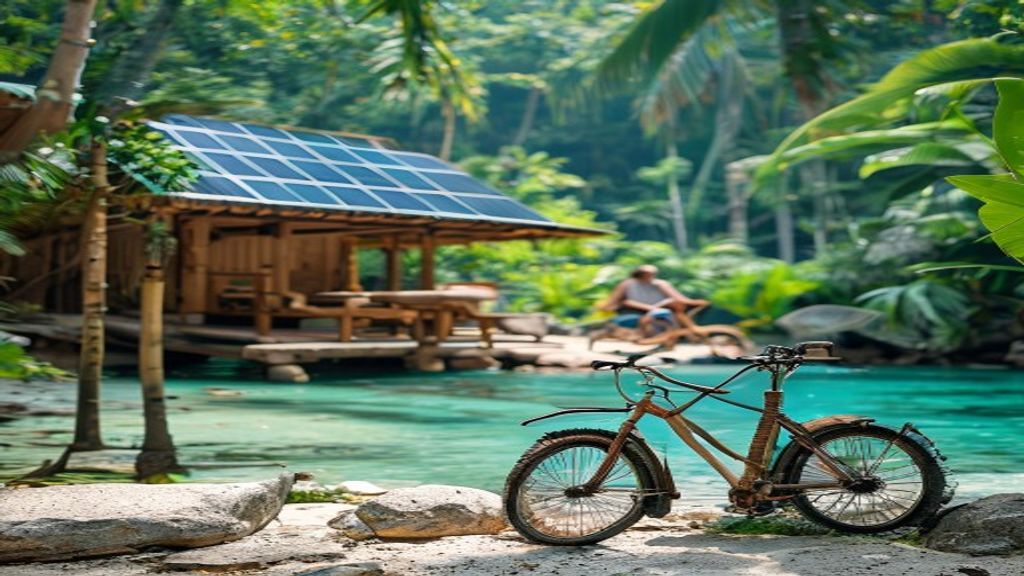
- Rent a bicycle for short trips. Instead of a motorbike for a 2km ride to the beach, cycle. Zero emissions, zero noise.
- Stay at eco-conscious accommodation. Your accommodation choice sends a market signal. Support properties that invest in sustainability.
- Do not buy coral, shells, or wildlife products. Purchasing marine souvenirs drives collection from living reefs and ecosystems.
- Conserve water and electricity. Turn off AC when leaving your room. Take shorter showers. Reuse towels.
- Dispose of waste properly. If bins are not available, carry your trash until you find one. Never leave waste on beaches.
- Support local businesses. Money spent at locally-owned restaurants, shops, and tour operators stays in the community rather than flowing to offshore corporate chains.
Phu Quoc National Park
The national park is Phu Quoc's most important environmental asset — protecting over half the island's land area with primary tropical forest, watersheds, and wildlife habitat.
Visiting responsibly:
- Stay on marked trails to avoid damaging vegetation and disturbing wildlife
- Do not collect plants, insects, or any natural materials
- Carry out all waste — leave nothing behind
- Hire a local guide to support the local economy and learn about the ecosystem
- Report any illegal logging or hunting activity to park authorities
What you will see: Dense tropical forest canopy, streams and small waterfalls, diverse bird species, long-tailed macaques, monitor lizards, and an incredible variety of insects and plants. The park is a reminder of what Phu Quoc looked like before development — and why protecting it matters.
Book Eco-Friendly Experiences
I organize and recommend eco-friendly activities on Phu Quoc — from responsible snorkeling trips with small groups to national park hiking with local guides. If you want to experience the island while protecting it, I can help plan your sustainable itinerary.
Frequently Asked Questions
Is Phu Quoc environmentally friendly?
Phu Quoc faces real environmental challenges including plastic pollution, coral reef damage, and rapid development pressure. However, the island also has significant protected areas — the National Park covers over half the island's land. Eco-tourism options are growing with responsible tour operators, eco-resorts, and community cleanup programs. As a visitor, your choices directly impact the island's environmental future. Choosing eco-friendly accommodation, responsible tour operators, and reducing plastic use makes a measurable difference.
How can I snorkel responsibly in Phu Quoc?
Choose a small-group operator that uses mooring buoys instead of anchors, provides a reef-protection briefing, and limits groups to 10 or fewer. Use reef-safe mineral sunscreen without oxybenzone. Never touch, stand on, or break coral. Do not chase or feed marine life. Wear a life jacket to float over shallow reefs rather than standing. These simple practices protect the coral reefs that make snorkeling worthwhile and allow them to recover from past damage.
Are there eco-friendly hotels on Phu Quoc?
Yes, several properties prioritize sustainability. Mango Bay Resort uses natural ventilation instead of AC and sources food locally. Freedomland operates off-grid eco-bungalows with organic farming and no plastic. Bamboo Cottages uses local materials and runs beach cleanup programs. These eco-resorts typically cost $30-$150 per night and are located in the quieter Ong Lang and northern areas of the island. Choosing these properties over conventional hotels directly supports sustainable tourism development.
Can I join a beach cleanup on Phu Quoc?
Yes, beach cleanups happen regularly on Phu Quoc, organized by local environmental groups, expat communities, and some resorts. Check the Phu Quoc Expats Facebook group for announcements of organized events. Cleanups typically take place on weekend mornings, last 2-3 hours, and welcome all volunteers. Equipment like gloves and bags is usually provided. You can also do informal cleanups anytime — bring a bag on your morning beach walk and collect waste you find.
What is the biggest environmental threat to Phu Quoc?
Plastic pollution and rapid development are the two most visible environmental threats. The island receives over 5 million visitors per year and waste management infrastructure has not kept pace with this growth. Plastic washes onto beaches after rain and accumulates in waterways. Meanwhile, ongoing resort and infrastructure construction puts pressure on forested areas, coastal ecosystems, and freshwater resources. The National Park provides essential protection for over half the island, but areas outside the park face continuous development pressure.
What sunscreen is safe to use when snorkeling on Phu Quoc reefs?
Use mineral-based sunscreen containing zinc oxide. Avoid chemical sunscreens with oxybenzone and octinoxate — these compounds damage coral polyps and contribute to reef bleaching. Some responsible snorkel operators in Phu Quoc provide reef-safe sunscreen or require you to apply it before boarding. Wearing a rash guard or UV shirt instead of sunscreen eliminates the concern entirely.
How many visitors does Phu Quoc receive per year?
Phu Quoc receives over 5 million visitors per year. This volume has outpaced the island's waste management infrastructure, contributing to plastic pollution on beaches, pressure on freshwater resources, and coral reef degradation. Even a 10% shift toward eco-friendly choices — refusing single-use plastic, choosing responsible operators, supporting local businesses — creates a measurable collective impact at that scale.
What is Mango Bay Resort known for environmentally?
Mango Bay Resort at Ong Lang was one of Phu Quoc's first eco-conscious properties and remains committed to minimal environmental impact. Its rooms use natural ventilation with no air conditioning, the restaurant sources food locally, and the building design blends into the natural landscape rather than replacing it. Nightly rates range from approximately $60–$150, making it accessible for travellers who prioritize sustainability.
Why is kayaking recommended over motorized tours in the mangroves?
Kayaking the Cua Can River and surrounding mangrove channels produces zero emissions and no engine noise, allowing you to observe the ecosystem undisturbed — crabs, fish, birds, and dense mangrove vegetation. Motorized boats disturb wildlife and create wash that erodes mangrove roots. Half-day kayak rentals typically cost $15–$25 and some operators offer guided eco-tours of the mangrove system.
How large is Phu Quoc National Park?
Phu Quoc National Park covers over 31,000 hectares — more than half the entire island's land area. It protects primary tropical forest, watersheds, and habitat for hornbills, long-tailed macaques, monitor lizards, and a wide range of tropical plants. Staying on marked trails, hiring a local guide, and carrying out all waste are the three most important rules for visiting responsibly.
Where can I buy sustainable souvenirs on Phu Quoc?
The most sustainable souvenir from Phu Quoc is pepper, purchased directly from an organic farm during your visit. Farms around Khu Tuong village in the island's interior offer free tours with tastings, and buying directly from the farmer supports sustainable agriculture and keeps money in the local community. Avoid coral, shells, and wildlife products — purchasing them drives collection from living reef ecosystems.
Is it possible to do a DIY beach cleanup on Phu Quoc?
Yes. Bring a bag on any morning beach walk and collect what you find — no organized event needed. For organized cleanups, check the Phu Quoc Expats Facebook group or search for local environmental NGOs. Organized events typically run on weekend mornings, last 2–3 hours, and provide gloves and bags. The debris collected is primarily plastic bottles, food packaging, and fishing line washed ashore from inland waterways.
Related Articles
- Phu Quoc National Park Hiking Guide — Trails, wildlife, and visiting tips
- Best Hidden Beaches in Phu Quoc — Discover untouched beach spots
- Things to Do in Phu Quoc — Complete activity guide including eco-options
- Phu Quoc Snorkeling Guide — Best spots and responsible practices