Best Swimming Beaches in Phu Quoc: Safe, Clean & Kid-Friendly (YEAR)
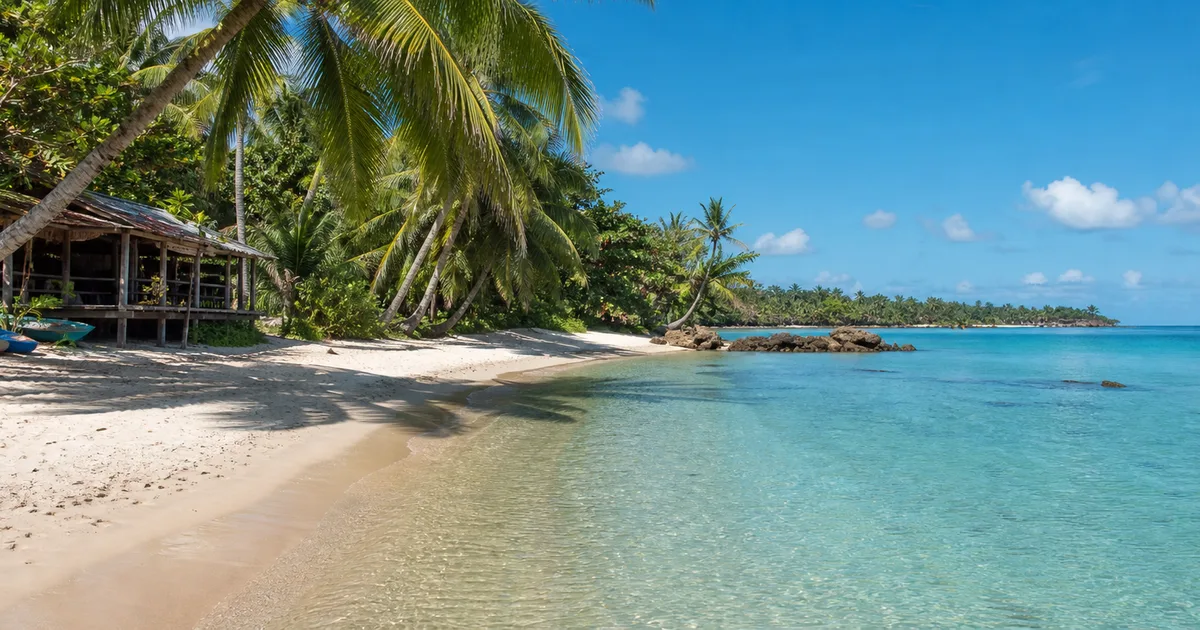
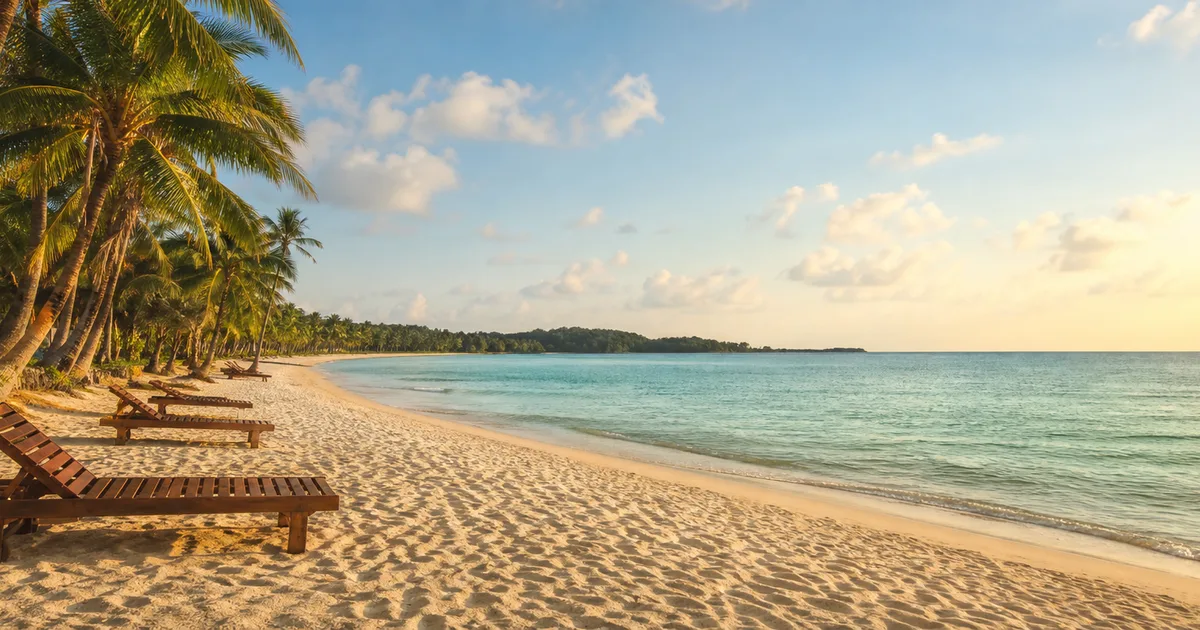
Bai Dai is the best swimming beach in Phu Quoc for most visitors. The water is calm year-round, the sandy bottom slopes gradually for 40+ meters, currents are negligible, and it stays clean even during peak season. For families with small children, it is the safest option on the island.
But not every Phu Quoc beach is good for swimming. Some have strong seasonal currents, rocky bottoms, sudden depth changes, or trash problems that guide books never mention. After years of swimming at every beach on this island, I ranked all 10 main beaches specifically for water safety and swimming quality.
Below you will find each beach scored on waves, depth profile, currents, jellyfish risk, water cleanliness, lifeguard availability, facilities, and how safe it is for children. No resort marketing — just what the water is actually like.
Swimming Beach Ranking: Quick Comparison Table
| Rank | Beach | Waves | Depth | Currents | Jellyfish | Clean | Lifeguards | Kid-Friendly |
|---|---|---|---|---|---|---|---|---|
| 1 | Bai Dai (North) | Gentle | Gradual | None | Very Low | 9/10 | Resort only | 10/10 |
| 2 | Ong Lang | Gentle | Gradual | Minimal | Low | 9/10 | No | 9/10 |
| 3 | Long Beach (North) | Gentle | Moderate | Minimal | Low | 8/10 | Seasonal | 8/10 |
| 4 | Bai Khem | Calm | Moderate | Minimal | Low-Med | 9/10 | Resort only | 8/10 |
| 5 | Sao Beach (North) | Calm | Gradual | None | Low-Med | 7/10 | No | 7/10 |
| 6 | Starfish Beach | Calm | Very shallow | None | Very Low | 7/10 | No | 7/10 |
| 7 | Ganh Dau | Gentle | Moderate | Mild | Low | 7/10 | No | 6/10 |
| 8 | Long Beach (South) | Moderate | Variable | Mild | Low | 6/10 | No | 5/10 |
| 9 | Sao Beach (South) | Calm | Moderate | Minimal | Medium | 5/10 | No | 4/10 |
| 10 | Cua Can | Moderate | Variable | Moderate | Low | 6/10 | No | 4/10 |
1. Bai Dai Beach (North Section) — Best Overall for Swimming
Swimming Safety Rating: 10/10
Bai Dai consistently delivers the best swimming conditions on Phu Quoc. The water is turquoise and clear, the bottom is fine sand without rocks, and waves rarely break above ankle height from November through April.
Conditions breakdown:
- Waves: Very gentle, 10-20 cm most of the year. Slight chop during June-August but still swimmable
- Depth profile: Extremely gradual. Walk 40 meters from shore and the water is only chest-deep on an adult. No sudden drop-offs
- Currents: Essentially nonexistent in the swimming zone. The bay geometry blocks lateral currents
- Jellyfish risk: Very low. Fewer than 5 reported sightings per year in this section
- Water cleanliness: 9/10. Crystal clear outside of monsoon storms. No river discharge nearby
- Lifeguards: Only at Vinpearl and Movenpick resort sections. Public areas have none
- Facilities: Sun loungers and drink vendors available. Parking on the main road. A few restaurants within walking distance
- Kid-friendly rating: 10/10. The gradual depth and calm water make this the top choice for toddlers and non-swimmers
Best months: November-April (excellent), May-June (good), July-September (acceptable with caution)
Where exactly: Head to the section between Vinpearl resort and the old Phu Quoc airport. The public access point is marked by a cluster of local seafood shacks.
2. Ong Lang Beach — Quietest Swim Spot for Families
Swimming Safety Rating: 9/10
Ong Lang is the beach I recommend most for families who want calm water and peace. It is divided into small coves by rocky outcrops, which break up wave energy and create natural swimming pools.
Conditions breakdown:
- Waves: Gentle, 10-25 cm. Rocky headlands dampen swells effectively
- Depth profile: Gradual within each cove. Some rocky patches between coves — stay within the sandy bays
- Currents: Minimal inside the coves. Mild longshore current outside the headlands
- Jellyfish risk: Low. The rocky areas actually reduce jellyfish drift into swimming zones
- Water cleanliness: 9/10. Fewer visitors mean less pollution. No commercial fishing boats nearby
- Lifeguards: None at public sections. Some guesthouses keep floatation devices on the beach
- Facilities: Basic. Small cafes and hammock rental. No big beach clubs
- Kid-friendly rating: 9/10. Loses one point only because rocky sections between coves require supervision
Best months: November-April (excellent), May (good), June-October (west side gets monsoon swells)
Watch out for: The rocky headlands between cove sections. Wear water shoes if exploring. Stick to the sandy bay interiors for swimming with children.
3. Long Beach — North Section (Bai Truong North)
Swimming Safety Rating: 8/10
The northern stretch of Long Beach, roughly from the Novotel up to the Ong Lang border, offers good swimming in a more developed setting. The water is calm and the bottom is sandy, though it deepens faster than Bai Dai.
Conditions breakdown:
- Waves: Gentle to moderate, 15-30 cm. Calm mornings, slight afternoon wind chop
- Depth profile: Moderate slope. Chest-deep water at about 20-25 meters from shore
- Currents: Minimal. Occasional mild lateral pull during tide changes, never dangerous
- Jellyfish risk: Low. A few sightings during rainy season, mostly harmless species
- Water cleanliness: 8/10. Clean but slightly less clear than Bai Dai or Ong Lang due to more boat traffic offshore
- Lifeguards: Seasonal, at InterContinental and JW Marriott sections (approximately 9AM-5PM, peak season only)
- Facilities: Full range. Beach bars, restaurants, water sports rentals, restrooms at hotels
- Kid-friendly rating: 8/10. Good for children who can swim. The faster depth increase makes it less ideal for toddlers
Best months: November-March (excellent), April-May (good), June-September (monitor conditions daily)
4. Bai Khem — Crystal Clear but Resort-Dominated
Swimming Safety Rating: 8/10
Bai Khem sits in the southeast and has some of the clearest water on Phu Quoc. The crescent bay shape creates naturally sheltered swimming conditions. The main drawback is access — much of the beach front is controlled by Premier Village and Marriott resorts.
Conditions breakdown:
- Waves: Calm, 10-20 cm inside the bay. Protected from both monsoon directions
- Depth profile: Moderate. Drops to shoulder height within 15-20 meters
- Currents: Minimal within the bay. Stronger around the headlands — avoid those areas
- Jellyfish risk: Low to medium. More sightings here than west coast beaches, concentrated July-September
- Water cleanliness: 9/10. No pollution sources. Water visibility often exceeds 5 meters
- Lifeguards: Resort sections have staff during daytime hours
- Facilities: Resort-level at hotel sections. The small public section has minimal services
- Kid-friendly rating: 8/10. Excellent water clarity for kids to see fish. Slightly faster depth progression
Public access tip: There is a public access path on the south end of the beach near the fishing boats. Walk past the resort boundary — beach access is a legal right in Vietnam.
5. Sao Beach — North Section Only
Swimming Safety Rating: 7/10
Sao Beach is famous for its white sand and turquoise water, but swimming quality depends entirely on which section you visit. The northern part is noticeably better than the south for actual swimming.
Conditions breakdown:
- Waves: Calm, 10-15 cm. The east-facing bay is sheltered from prevailing winds
- Depth profile: Very gradual in the north section. Walk far out and still be waist-deep
- Currents: None in the swimming zone. Safe for wading
- Jellyfish risk: Low to medium. Some reports during July-September. More common than west coast beaches
- Water cleanliness: 7/10. Clean in the morning. Tour boat fuel and crowd debris degrade quality by afternoon
- Lifeguards: None
- Facilities: Abundant — too many, actually. Beach chair rental pushers, restaurants, water sports operators
- Kid-friendly rating: 7/10. Great depth profile for kids but the crowd chaos and aggressive vendors lower the experience
Important: Arrive before 9AM. By 10:30AM, tour buses dump hundreds of visitors. The northern section (right side facing the sea) stays quieter longer.
6. Starfish Beach (Bai Rach Vem) — Unique but Limited Swimming
Swimming Safety Rating: 7/10
Starfish Beach in the northeast is famous for starfish visible in the shallow water. Swimming is safe but limited — the water is extremely shallow for a long distance.
Conditions breakdown:
- Waves: Almost nonexistent. It is more of a lagoon than an open beach
- Depth profile: Very shallow. Knee-deep for 50+ meters. Not great for actual swimming laps
- Currents: None
- Jellyfish risk: Very low. The shallow, sheltered environment discourages them
- Water cleanliness: 7/10. Can be murky at low tide. Sediment stirs easily in the shallows
- Lifeguards: None
- Facilities: Several floating restaurants. No beach chairs or showers
- Kid-friendly rating: 7/10. Extremely safe water depth for tiny children but not interesting for older kids who want to swim. The muddy bottom at low tide is a drawback
Note: Do not touch or stand on the starfish. They are a protected species and increasingly rare due to tourist handling.
7. Ganh Dau Beach — Remote and Peaceful
Swimming Safety Rating: 6/10
Ganh Dau sits at the northern tip of Phu Quoc, facing Cambodia across a narrow strait. The beach is quiet and scenic but less ideal for swimming than the top-ranked options.
Conditions breakdown:
- Waves: Gentle to moderate, variable depending on strait currents
- Depth profile: Moderate. Drops off faster than west coast beaches
- Currents: Mild but present. The strait between Phu Quoc and Cambodia funnels some tidal current
- Jellyfish risk: Low. Infrequent sightings
- Water cleanliness: 7/10. Clean water but some fishing boat activity nearby
- Lifeguards: None
- Facilities: Basic. A handful of restaurants. No beach services
- Kid-friendly rating: 6/10. Suitable for supervised older children. Not recommended for toddlers due to currents
8. Long Beach — South Section (Duong Dong Town Area)
Swimming Safety Rating: 5/10
The southern stretch of Long Beach near Duong Dong town is the most developed and most variable in swimming quality. Water conditions change significantly depending on season and recent weather.
Conditions breakdown:
- Waves: Moderate, 20-40 cm. Noticeably rougher than the north section
- Depth profile: Variable. Some areas drop off quickly, others have sandbars that create uneven footing
- Currents: Mild but present, especially near the Duong Dong river mouth
- Jellyfish risk: Low
- Water cleanliness: 6/10. River discharge after rain brings debris and reduces clarity. Construction runoff from hotel development is an ongoing issue
- Lifeguards: None on public sections
- Facilities: Full range — this is the main tourist strip. Restaurants, bars, shops everywhere
- Kid-friendly rating: 5/10. Too much variability in conditions. Better for strong teen swimmers than young children
Avoid after heavy rain. The Duong Dong river pushes murky water and debris southward along the beach for 24-48 hours following storms.
9. Sao Beach — South Section
Swimming Safety Rating: 4/10
The southern section of Sao Beach has degraded significantly. While the sand is still white, swimming conditions are noticeably worse than the north part.
Conditions breakdown:
- Waves: Calm
- Depth profile: Moderate, but uneven bottom with debris in some spots
- Currents: Minimal
- Jellyfish risk: Medium. More frequent sightings than the north section
- Water cleanliness: 5/10. Trash accumulation is the biggest issue. Plastic debris, food waste from restaurants, and tour boat discharge
- Lifeguards: None
- Facilities: Over-commercialized. Loud music, aggressive vendors, jet ski operators cutting close to swimmers
- Kid-friendly rating: 4/10. Safety concerns from jet skis and poor water cleanliness
10. Cua Can Beach — For Experienced Swimmers Only
Swimming Safety Rating: 4/10
Cua Can is a long, undeveloped beach on the northwest coast. It is scenic for walks but carries real swimming risks that make it unsuitable for casual visitors.
Conditions breakdown:
- Waves: Moderate to strong, especially during monsoon months
- Depth profile: Variable and unpredictable. Sandbars shift between seasons, creating unexpected deep channels
- Currents: Moderate. Rip currents form near the river mouth, particularly on outgoing tides
- Jellyfish risk: Low
- Water cleanliness: 6/10. River outflow reduces clarity. Clean during dry season low-tide
- Lifeguards: None
- Facilities: Almost none. A few local cafes on the road
- Kid-friendly rating: 4/10. Not recommended for children. The currents and variable bottom are a genuine hazard
Seasonal Swimming Conditions
Swimming in Phu Quoc is a year-round activity, but conditions shift dramatically between dry and wet seasons. Here is what to expect month by month.
Dry Season (November - April): Best Swimming
The dry season delivers calm seas, clear water, and minimal jellyfish risk across all beaches. December through March is the absolute peak for swimming quality.
- West coast beaches (Bai Dai, Ong Lang, Long Beach): Flat calm most days. Visibility 3-8 meters
- East coast beaches (Sao Beach, Bai Khem): Excellent. Protected from the prevailing northeast wind
- Water temperature: 27-29°C. Comfortable without a rash guard
Transition Months (May - June, October)
Conditions remain good but less predictable. Afternoon thunderstorms arrive without warning. Seas are generally calm in the morning and may build by 2-3PM.
- Morning swimming is reliable
- Check conditions each afternoon before entering the water
- First jellyfish of the rainy season may appear in late May
Wet Season (July - September): Swim with Caution
The southwest monsoon hits west coast beaches hardest. East coast beaches become the better option during this period.
- West coast: Waves 30-60 cm, occasional 1-meter swells. Rip currents possible near headlands. Water murky after storms
- East coast: Generally calmer. Sao Beach and Bai Khem remain swimmable most days
- Jellyfish: Peak season. Carry vinegar and wear a rash guard for protection
- Water cleanliness: Drops across all beaches after heavy rainfall
Essential Swimming Safety Tips for Phu Quoc
- Always tell someone where you are going. No public beach has lifeguards. If you get in trouble, you need someone on shore who notices
- Swim parallel to shore if caught in a current. Rip currents at river mouths pull straight out. Swim sideways, not against the flow
- Bring vinegar during rainy season. Box jellyfish stings require immediate vinegar application. Do not use fresh water on stings
- Wear water shoes at rocky beaches. Sea urchins hide in crevices at Ong Lang headlands and Ganh Dau
- Check conditions locally each day. Ask your hotel or guesthouse staff. Weather changes fast during monsoon season
- Avoid swimming alone at dusk or dawn. Visibility is poor and no one can see you from shore
- Watch children constantly. Even at gentle beaches like Bai Dai, unsupervised toddlers can stumble into deeper water quickly
My Top Picks by Situation
- Family with toddlers (1-4 years): Bai Dai north section — nothing else comes close for safety and gradual depth
- Family with older kids (5-12 years): Ong Lang — calm coves, some snorkeling, fewer crowds
- Teens and confident swimmers: Long Beach north — good conditions plus nearby restaurants and activities
- Couples wanting privacy: Bai Khem public section — stunning water, minimal crowds on the non-resort end
- Rainy season visitors: Sao Beach north section or Bai Khem — east coast stays calmer when west coast is rough
Frequently Asked Questions
Related Guides
- Best Beaches in Phu Quoc: Honest Ranking by a Local — Full breakdown of every beach on the island
- Phu Quoc Family Itinerary: Kid-Friendly Activities & Beaches — Complete family travel plan with beach days built in
- Sao Beach Complete Guide: Is It Worth the Hype? — Detailed look at Phu Quoc's most famous beach
- Long Beach Phu Quoc: North vs South Explained — Which section suits your travel style
- Snorkeling in Phu Quoc: Best Spots & Tours — Where to see coral and marine life